


_logo%201.svg)


People don’t remember the brand that spent the most. They remember the one that made them feel like they had seen something new.
That is becoming harder to do. Audiences are swimming in content, brands are fighting for the same few seconds of attention, and every trend seems to have a copycat before the original has even finished loading. More media spend can buy reach. It cannot buy distinctiveness.
Sometimes the advantage is not having more resources. It is in having fewer assumptions.
Big budgets are great. Baggage isn’t.
Established brands have a lot to protect. Years of equity, stakeholder expectations, sales targets, brand guidelines, and the campaign that worked brilliantly three years ago and somehow still gets mentioned in every brainstorm.
None of that is bad. In fact, it is the result of doing something right. But success can quietly create its own creative guardrails. When there is more at stake, “What if it doesn’t work?” starts entering the room a little earlier.
Newer brands and independent creators often have the opposite problem. They have fewer resources, less recognition and no proven formula to fall back on. So they are forced to find another advantage. A sharper voice. A stranger idea. A point of view that feels unmistakably theirs.
Constraints do not automatically make work better. But they can force a useful question: if we cannot win by being bigger, how do we win by being different?
Hollywood’s latest horror twist? The creators are directing.
Horror has always been a good home for outsiders. Smaller budgets, fewer rules and audiences willing to reward a bold idea make the genre fertile ground for people who do not arrive through the traditional studio pipeline.
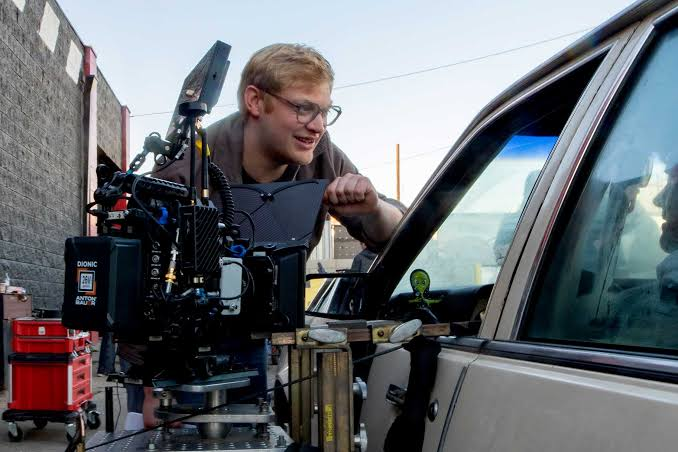
Curry Barker is a very current example. Before directing Obsession, Barker had been making low-budget comedy and horror online. His earlier film Milk & Serial was made for next to nothing and released free on YouTube. Instead of waiting for somebody to hand him the “proper” route into filmmaking, he built his instincts in public.
That matters because YouTube teaches a different creative discipline. You learn quickly when something drags. You see where an audience loses interest. You test, make another thing, read the reaction and go again.
When Barker stepped into a larger film, he did not erase those instincts and start imitating a conventional Hollywood director. He brought them with him. That outsider rhythm became part of the appeal.
No film school. No formula. No problem.
Danny and Michael Philippou followed a similarly unconventional route. Long before Talk to Me, the brothers were known for RackaRacka, their wildly energetic YouTube channel built on stunts, practical effects, dark comedy and a healthy disregard for playing it safe.
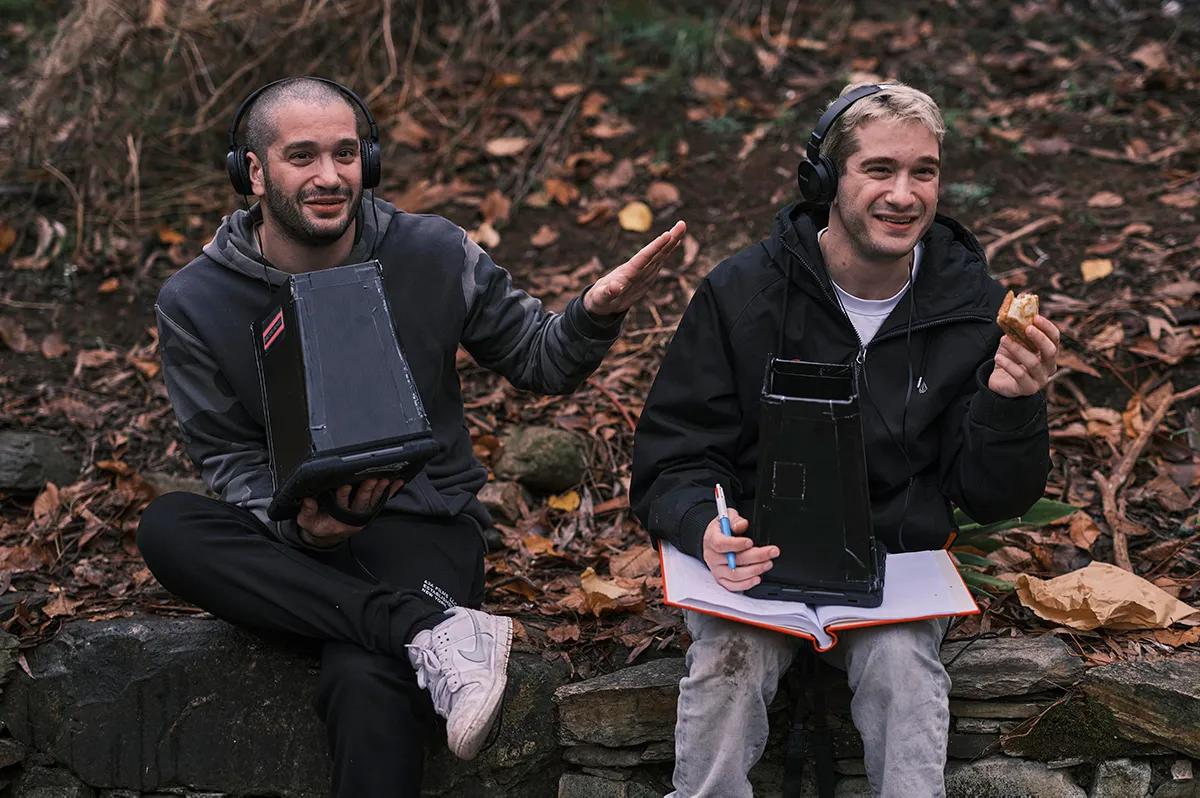
By the time they made a feature film, they had already spent years learning what made an audience lean in. Not in a classroom, but through experimentation.
And you can feel it in Talk to Me. The film is polished, but it does not feel overly polished. The practical effects have bite. The horror is physical. The emotions are messy. It feels less like a product assembled from genre references and more like something its directors genuinely wanted to make.
Their unconventional route was not something they had to overcome before becoming “real” filmmakers. It helped shape the thing that made their work worth noticing in the first place.
Your brand doesn’t need to act indie. It needs a point of view.
There is an obvious temptation for marketers here: find the next creator, make the content rougher, shoot something on a phone and call it authentic.
That misses the point.
The lesson is not to copy the aesthetics of independent creators. It is to notice what happens when people build from a perspective rather than a formula.
Instead of asking, “How do we make a better version of what everyone else is doing?”, ask, “What would only make sense coming from us?”
That answer might come from your history, your audience, your product, your culture or even a limitation you have been treating like a weakness. A smaller budget might force one brilliant execution instead of twelve forgettable ones. A niche audience might let you make a joke a mass-market competitor could never land. A challenger position might give you permission to say the thing everyone else is carefully avoiding.
Distinctiveness rarely starts with more. It starts with something to say.
Got a perspective?
More budget is useful. More media is useful. Better production is useful. But none of them can rescue an idea that could have come from any brand in the category.
The work people remember tends to carry fingerprints.
So before you add another channel, another deliverable or another zero to the media plan, find the part of the idea that belongs unmistakably to you. And if your brand has something worth saying but needs help turning it into something people will actually notice, you know where to find us.
Let’s make something only your brand could make.



Subscribe to get notified when new downloadables drop. Straight to your inbox.
Take it one step further. Book a free consultation with us and let’s talk strategy.
.svg)


