


_logo%201.svg)


The whole internet paused over a baby monkey clutching a plush toy. Brands, predictably, reached for their content calendars.
When Punch, a baby Japanese macaque at Ichikawa City Zoo, went viral for clinging to an IKEA orangutan soft toy, the story spread at algorithmic speed. It had everything the internet loves. Vulnerability. Comfort. A single, repeatable visual. A universal emotion that required zero translation.
Within hours, timelines filled with reaction posts, think pieces and brand responses. Some were charming. Some were chaotic. A few felt like someone had whispered, “Quick, get the bosses to approve a monkey pun.”
Welcome to moment marketing in 2026.
Soft Toy, Hard Truth

Punch worked because the visual did all the heavy lifting. A small animal, visibly distressed, finding comfort in an oversized plush toy. You did not need to know the backstory. You did not need subtitles. You did not need context.
You felt it.
That is the real currency of viral culture. Not novelty. Not wit. Not production value. Just pure emotion.
The toy itself became symbolic. It was not just an IKEA product. It was safety. It was surrogate comfort. It was something soft in a world that feels sharp.
When a story becomes a metaphor, it scales globally. That is why a local zoo moment turned into international headlines, sold out plush inventory and a hashtag that people used sincerely, not ironically.
Brands saw the same thing the public did. A moment with emotional charge. The question was how to enter without short-circuiting it.
When Brands Get It Right
The brands that responded well understood one rule. The emotion belongs to the audience first.
IKEA’s response under Elissa Wardrop’s instinctive leadership became a lesson in simplicity. There was no big production, no scripted campaign, and no A/B testing. Just a human reaction to a human moment. The plush toy was theirs, yes, but more importantly, it had become a symbol people were already emotionally invested in.
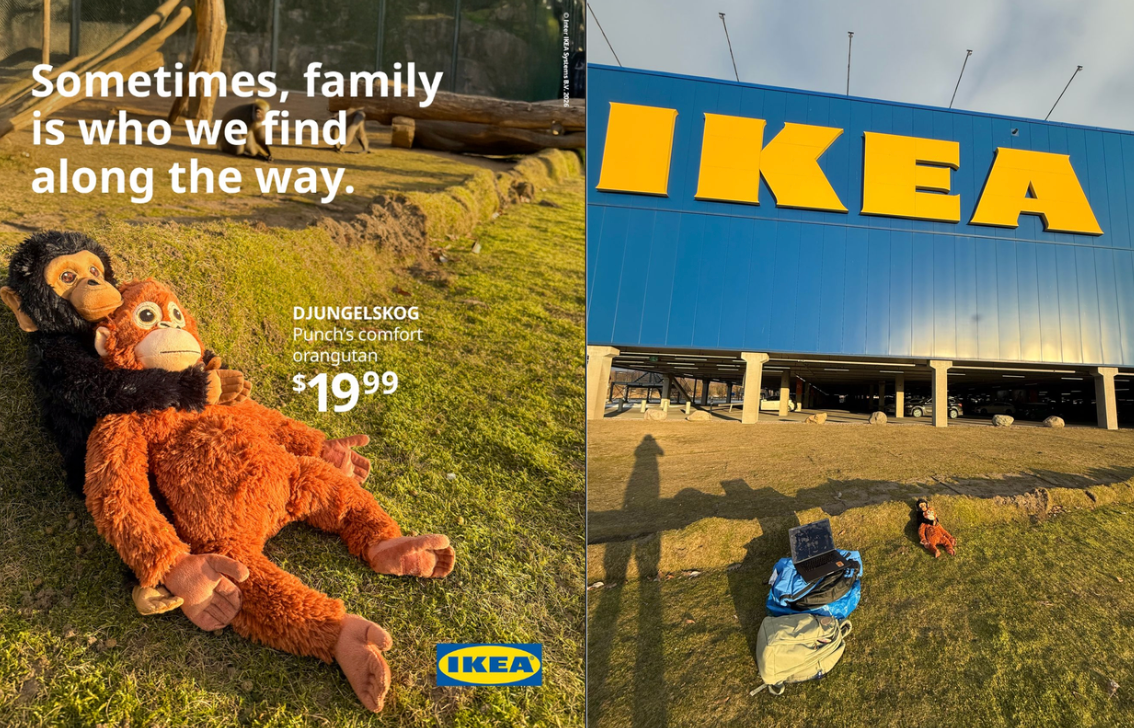
Rather than leading with product copy or a staged photoshoot, IKEA leaned into genuine empathy. In some markets that meant simply acknowledging the connection people were making and letting that be enough. No discount codes, no sales hooks, just contextually respectful participation.
That is what good moment marketing looks like. It does not interrupt the story. It sits inside it. Punch was vulnerable. Brands that joked at the expense of that vulnerability misread the room. Brands that extended the emotional theme of comfort, care or community added value to the conversation rather than distracting from it.
Because here is the tricky bit. It is not about speed alone. It is about emotional intelligence at speed and knowing when less is more.
Cultural Moments Are Not Free Billboards
Moment marketing goes wrong when relevance is forced. We have all seen it. A finance brand posting a plush toy meme with a caption about “holding onto your savings”. A tech platform shoehorning a cybersecurity angle into a baby monkey story. Ambitious, yes. Necessary, no.
At its best, moment marketing is the practice of responding to live cultural conversations in real time, in ways that align naturally with your brand’s voice and values. It is not about inserting yourself into every trending topic. It is about recognising when culture intersects with your narrative.
The issue is not participation. It is proportionality.
Cultural moments are not blank canvases for logo placement. They are living conversations. If the connection requires three mental gymnastics and a boardroom explanation, it probably does not belong on your feed. There is also a difference between being timely and being trendy. By the time a brand approval chain finishes its fourth revision, the moment has often moved on. Viral culture has a short half-life. Posting late is not strategic. It is yesterday’s joke told tomorrow.
Simplicity Is Still a Superpower
The Punch saga is not really about a monkey or a plush toy. It is about signal detection.
The most effective brands today are not just campaign builders. They are cultural listeners. They understand that the internet moves in emotional waves. Some are joyful. Some are angry. Some are unexpectedly tender.
The skill is recognising which waves align with your brand’s existing narrative. If your brand already talks about care, comfort, protection or belonging, this moment may be relevant. If your brand sells industrial fasteners, perhaps let this one go.
There is also something beautifully simple about this story. One subject. One object. One feeling. In a world of hyper-polished content, simplicity cut through. It is a reminder that attention does not always reward complexity. It rewards what feels real.
Don’t Be The Monkey In The Room
Before you swing into the conversation, pause. Ask three simple questions.
Is the connection natural?
Does your contribution strengthen the emotion rather than dilute it?
Can you move quickly without losing judgement?
Moment marketing is not about reacting because everyone else is. It is about knowing whether you truly belong in the story. The internet responded to Punch because it recognised something human. Brands that entered with care felt human too. Brands that forced it simply felt noisy.
That is the distinction. Not who posted first, but who understood the moment before making a sound.



Subscribe to get notified when new downloadables drop. Straight to your inbox.
Take it one step further. Book a free consultation with us and let’s talk strategy.

.svg)


