


_logo%201.svg)


SAMA: Think Global, Go Hyperlocal
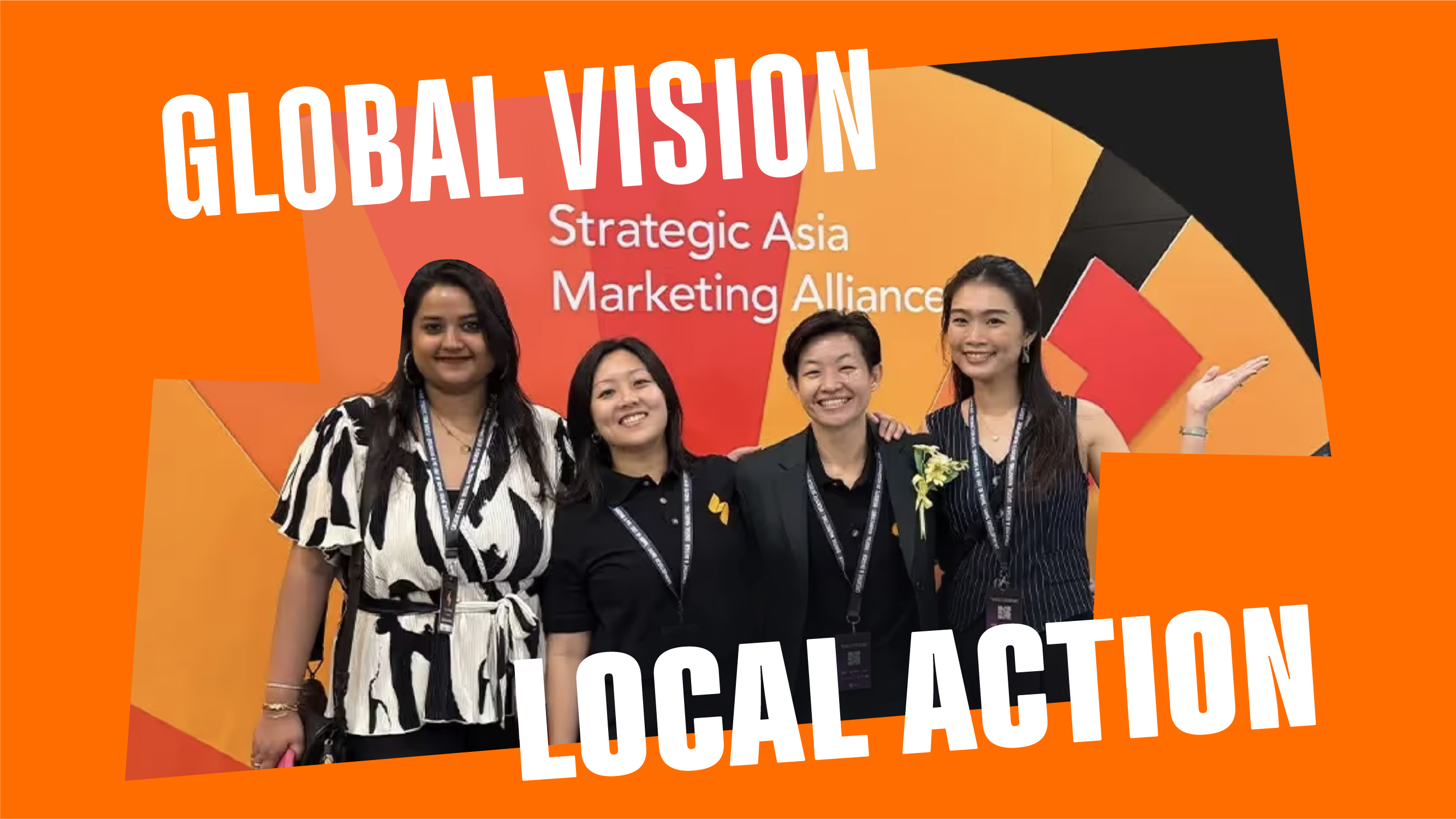
Hey everyone! As you might have heard by now, Superminted recently joined the SAMA Alliance – a dynamic coalition comprising top marketing agencies from the region.
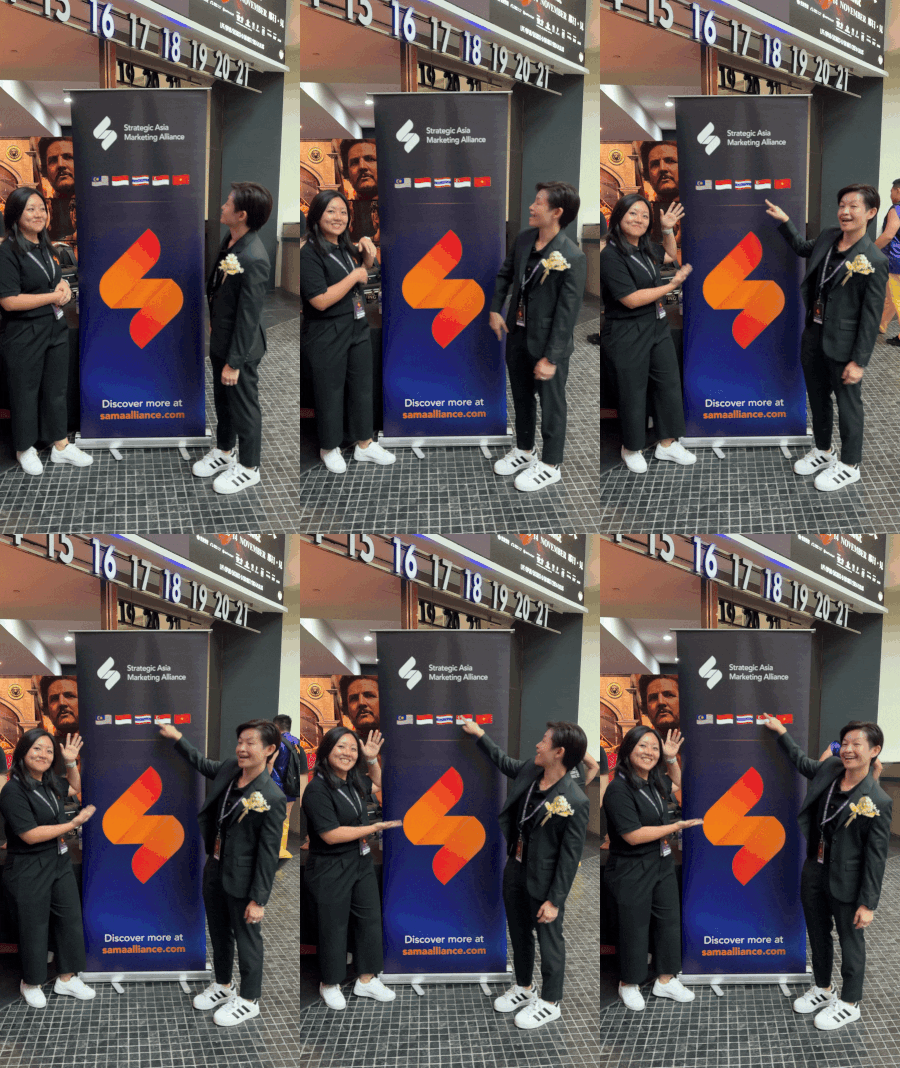
In a previous article, we delved into the motivations for this partnership and explored the key considerations Superminted’s leaders had when throwing their weight behind the SAMA Alliance. A big driving force behind the formation of SAMA was the potential for hyperlocalisation – a strategic approach that entails leveraging nuanced perspectives and on-the-ground insights, to engage effectively with APAC’s fast-paced and constantly shifting consumer markets.
What We Mean By Hyperlocal
The concept of hyperlocalisation isn’t particularly groundbreaking, and it’s been around for awhile. Agencies have been utilising hyperlocalisation for the better half of two decades as a way to help multinational brands connect with hometown audiences while ensuring they stay relevant. Through tailored campaigns that are both culturally informed and insightful, hyperlocalisation exists as a way to stand out in an increasingly globalised world.
And if you think that hyperlocalisation is something only big brands utilise, think again! In today’s age, hyperlocalisation isn’t just limited to multinational businesses anymore. Smaller brands can and should take advantage of hyperlocalisation too. Why? Because your audience needs to know you understand them, they need to feel like they’re seen and heard; and hyperlocalisation is the best way to do so.
Now You’re Speaking My Language
In practice, hyperlocalisation can manifest in numerous formats across various mediums – from gorgeous visuals and imagery, to heart-rending videos that play on emotions, and even scintillating copy that make readers do a double-take. The beauty of hyperlocalisation is that there’s no one size fits all approach. It all boils down to understanding the cultural, societal, and linguistic nuances of the community you’re seeking to connect with.
To take a closer look at what hyperlocalisation is all about, we’ve picked a couple of campaigns by popular brands that leverage local and cultural nuances to get their message across.
IKEA
In a playful campaign that referenced former Prime Minister Lee Hsien Loong’s Chinese New Year message for couples to conceive “little dragons”, IKEA Singapore’s 2024 ad campaign featured a cheeky play on local vernacular and euphemism to eye-catching effect.
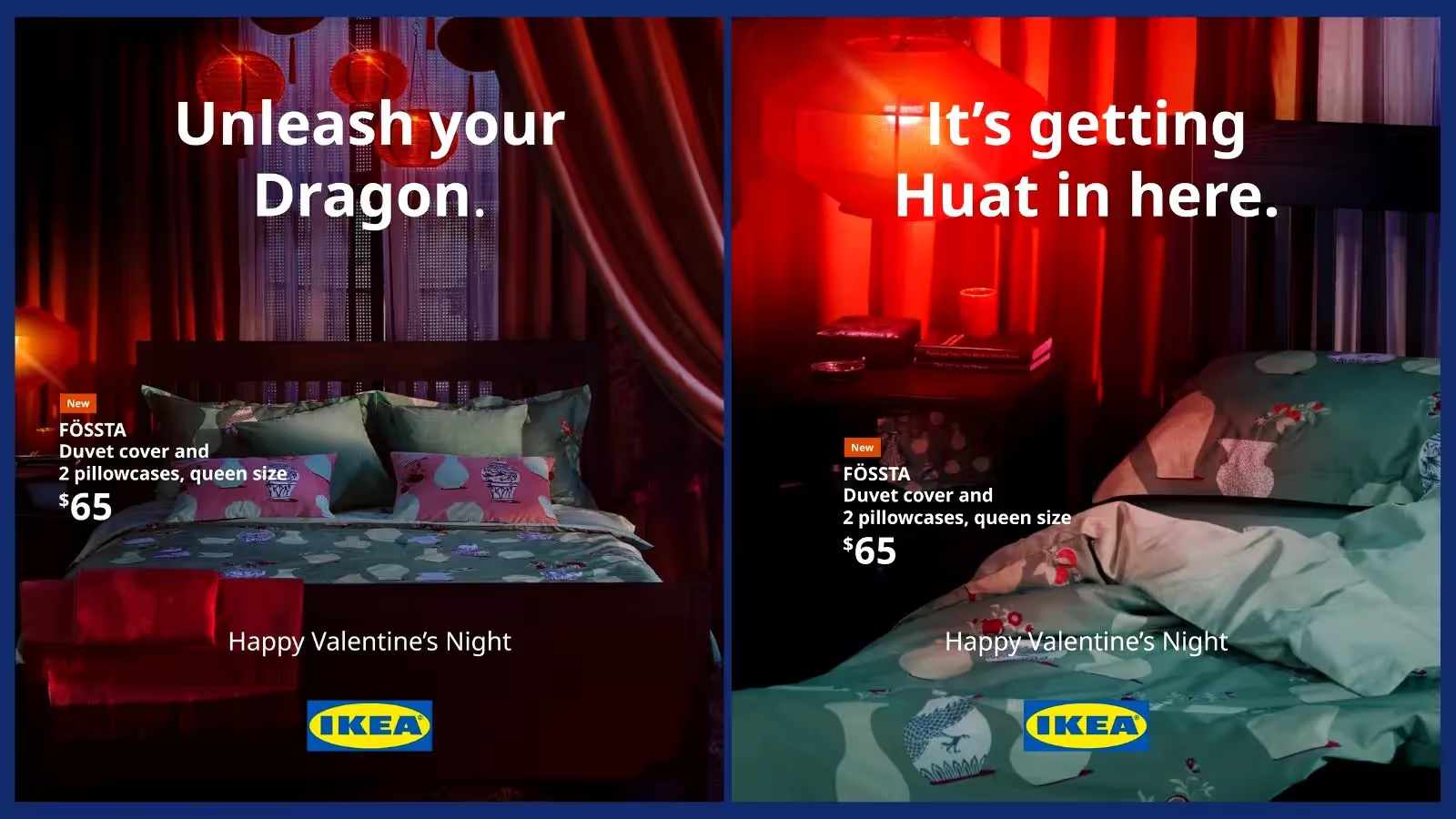
The hyperlocal facets of this campaign itself were multi-layered. Beyond just wordplay involving pun-filled slang, the ads also paid homage to Singapore’s Chinese community and spotlighted cultural beliefs and traditions (A commonly held belief by the demographic is that it is auspicious to conceive babies in the zodiac Year Of The Dragon).
McDonald's
Shakespeare once wrote “a rose by any other name is as sweet” – this delightful campaign by McDonald’s Malaysia goes a step further to demonstrate how the right names can feel even sweeter.
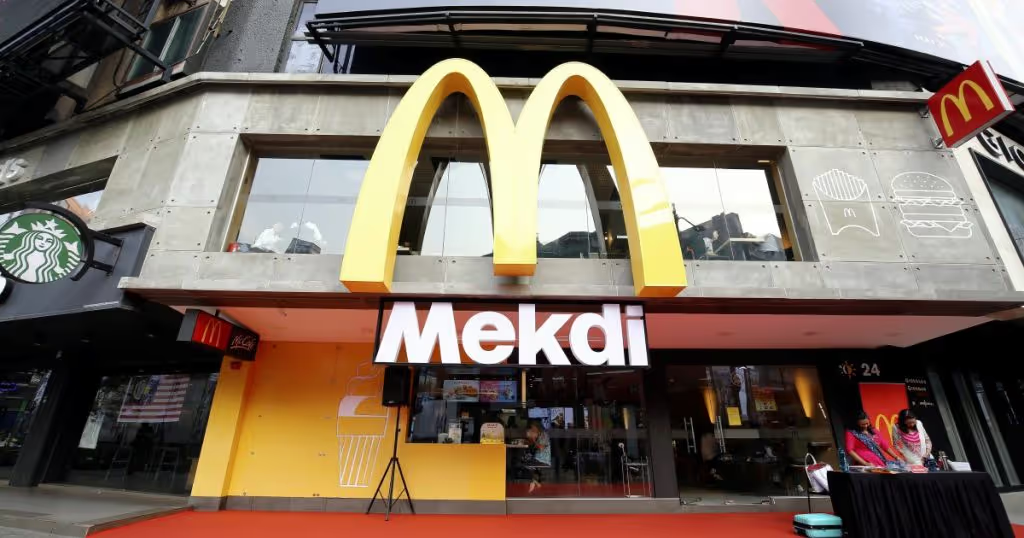
In honour of Merdeka Day (Malaysia’s Independence Day), McDonald’s inaugural outlet at Bukit Bintang saw its titular signage undergo a localised facelift. Instead of “McDonald’s”, under the iconic golden arches was the name “Mekdi” – a local nickname derived from the phonetic pronunciation of the brand’s shorthand, “McD”. Needless to say this move touched the hearts of Malaysians nationwide, many of whom felt proud to see McDonald’s Malaysia embrace the loving nickname bestowed upon it.
Apple
In yet another example of hyperlocalised campaigns, Apple launched a series of ad spots celebrating Hari Raya in Malaysia while poking fun at common tropes that occur during family gatherings over the holidays.
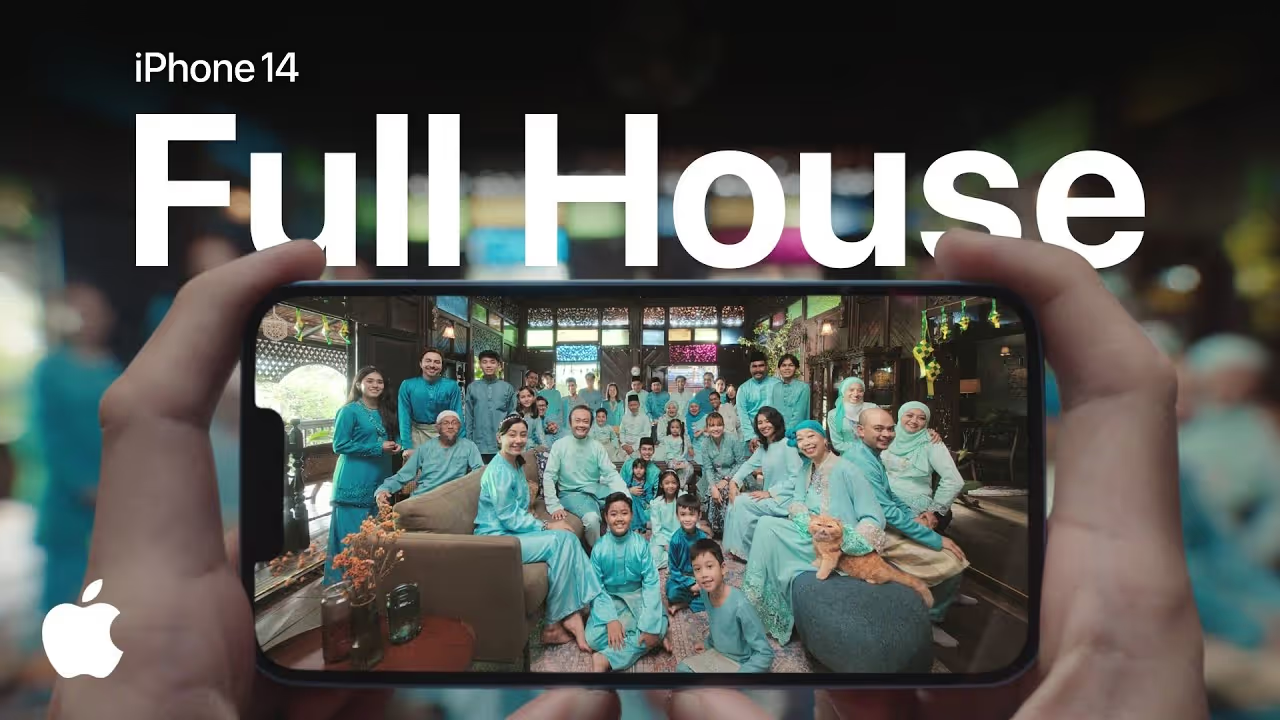
The “Full House” video ad seen above drew inspiration from the familiar challenge of trying to squeeze big families into a festive group shot. It spoke to viewers and positioned the product as a solution to an amusing problem that routinely occurs at big holiday gatherings.
Big Brands, Connecting With Communities
These campaigns are just the tip of the iceberg that proves the power hyperlocalisation has. The McDonald’s Malaysia campaign, for example, eventually formed part of the QSR chain’s national identity and became the entry point for a wide range of award-winning OOH campaigns. Executed properly, it emboldens brands to sincerely connect with hometown audiences and deliver a lasting and resonant message.
And while the appeal of this can be tempting for brands to jump right in, it’s vital to remember that hyperlocalisation is a dual-edged sword – it’s a careful balancing act for big brands, and it requires that they stay true to their brand essence and while attempting to earnestly connect with local communities. Done poorly, hyperlocalisation can feel like a cheap cop-out at best and end up offending people culturally at the worst.
Big Brands, Connecting With Communities
In a never ending battle for audience attention and engagement, brands need to stay relevant and be dynamic. That need is precisely why Superminted exists, to support brands in their journey of growth and evolution. We create, nurture, and promote brands the right way to increase their market share and grow traction.
If you’re a global brand that’s looking to go hyperlocal but don’t know where to start, reach out to us today! Our teams promise diverse and creative solutions right out the gate, delivering impactful and talked-about campaigns that’ll make your audience fall in love with your brand.
Daryl is a Copy Editor at Superminted, fueled by a love for bringing emotionally engaging stories to life. With carefully selected words and a smart turn of phrase, he is devoted to helping brands shape their unique voice.


.png)
you may also like
Subscribe to get notified when new downloadables drop. Straight to your inbox.
Take it one step further. Book a free consultation with us and let’s talk strategy.
.svg)

