


_logo%201.svg)


Content Marketing for the Consumer

It’s no secret that social media has pretty much redefined the way we, as a society and as individuals, consume content. Fuelled by a rising tide of ego-centrism, the byline of today’s content has trended towards “Pay attention to me!” and led 21st century content marketing strategies to be more focused on hyper-individualisation and customisation.
Yet somehow, brands still make the mistake of approaching content marketing with a focus on themselves. Brand-centred content strategies continue operating with the same ideals, believing that their target audience wants to hear what they have to say.
If this sounds oddly familiar, and you find yourself wondering “how do I develop successful content marketing strategies?” then this might be a read for you.
Join us, as we take a look at how brands can shift their paradigm and go from brand-centric to audience-centric content.
Brand-Centred vs Audience-Centred Content
Brand-centred content
Brand-centred content focuses heavily on your brand’s unique selling points (USPs). It’s all about the story YOU want to tell about your brand, product, or service. A good example is any “About” page you might come across when browsing a company’s website. The strategy behind brand-centred content revolves about how your brand perceives itself and how it wants to be projected to the world.
Audience-centred content
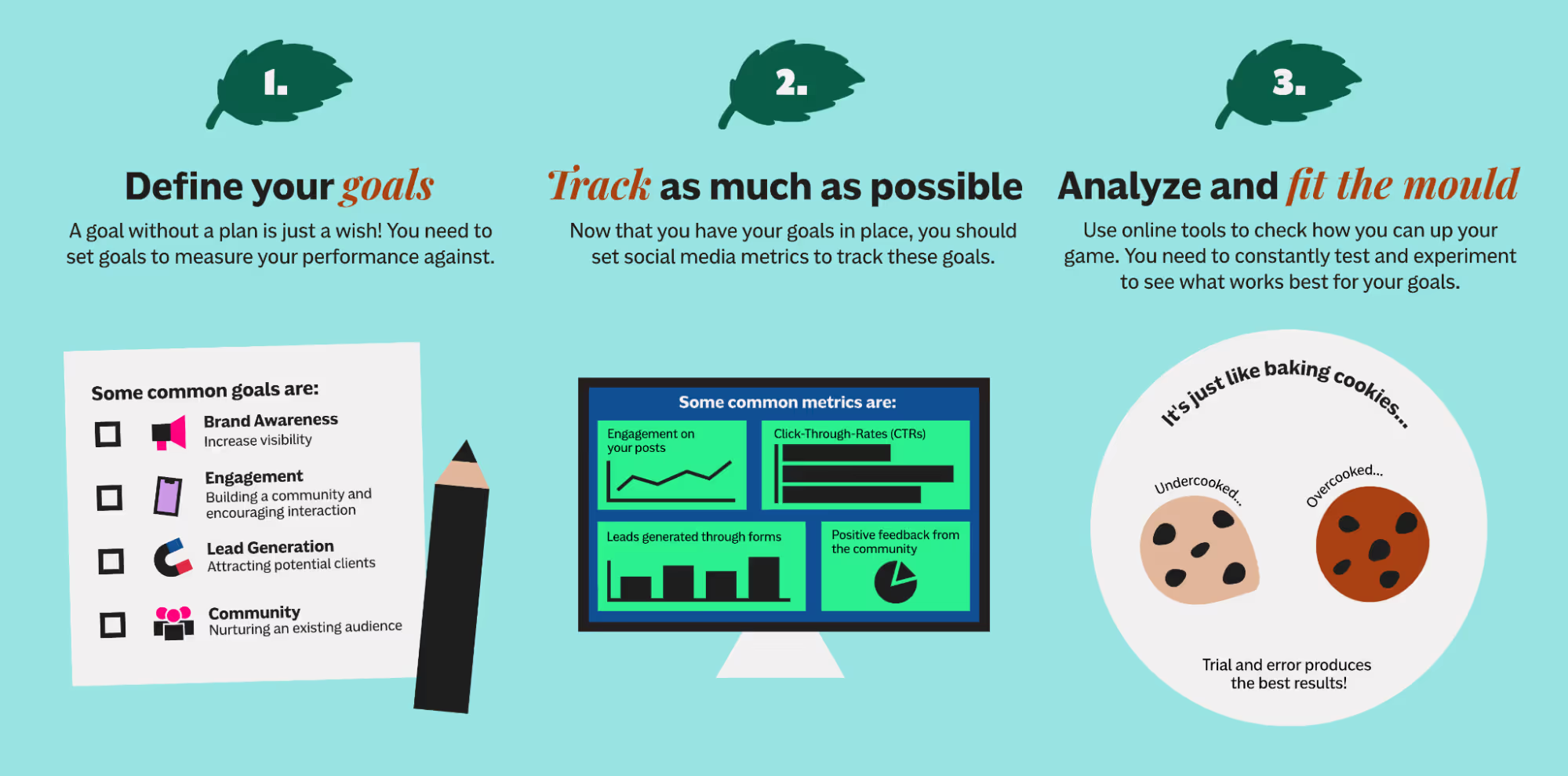
Conversely, audience-centred content prioritises the needs and desires of your audience. It shifts conversation away from what a brand wants their audience to know, attuning strategies to how you can create value for them. The key behind audience-centred content is to show, and not tell them why you’re worthy of their time and attention. In doing so, brands can impact some type of action – whether it’s engagement on a social media post, or motivate them to follow through with a purchase.
Which is Better?
There is no clear winner here. Instead, it’s important to first identify your content marketing goals – in other words, what drives your content marketing strategy?
Depending on that, businesses will find that it’s all about striking a balance between both brand and audience-centric content. Brand-centred content will often serve as a reference point for audiences when they’re in doubt about your brand, but this source of truth is only as useful as your audience is willing to listen. Think of the age-old question, “If a tree falls in the forest, and no one is around to hear it, does it still make a sound?”

Without an engaged audience that is actively seeking out your message, brand-centric content just results in wasted resources. Similarly, content without substantial information about your brand will fail to make a lasting impact on your audience.
Tips for Developing Strategy
Now, how can brands achieve this balance? What content marketing examples are there to demonstrate this? Fret not, here are 3 tips for you to build an audience-centric narrative, and foster a listening ear for brand-centric content.
1. Thorough Audience Research
Simply knowing your audience’s age and gender does not cut it anymore. Dive deeper and understand what their goals, fears and desires are. From there, you can better determine what type of content marketing matters the most to them.
Forbes released an article earlier this year, empirically demonstrating the growing demand by consumers that want brands to understand their needs. Through understanding your target audience’s psychographics, you should have a better idea of how you can develop and release content that resonates with them.
2. Get Rid of Brand Bias
How you perceive your brand might not be how your audience is interpreting your brand! Focus on what is important to your audience, not what is important to the brand.
Begin with putting yourself in your audience’s shoes and attuning your message towards what they want to hear, connecting authentically with them should be much simpler from there!
3. Speak the Language of Your Audience
Be it social media posts, advertisements, or campaigns, it’s essential to come up with content ideas and copies that speak to your audience.
This doesn’t only mean using Gen-Alpha language like skibidi rizz. For example, Bumble came up with a series of copy-based advertisements that refer to Singaporean experiences like “kaya toast” and even the infamous Lau Pa Sat date debate. The result? A simple and effective ad campaign that spoke to and resonated with their audience.
Remember that it’s easy to fall into the trap of self-centred content marketing. Communication goes both ways and while brands might desire to be heard, they should also remember to listen to their audience.
Closing remarks
To learn more about how you can best tailor your B2B content marketing strategies, stay tuned to our Insights page as we continue giving you the latest news and updates in brand management.
Alternatively, reach out to us – we’re ready to jump right in and give your brand a head start in content strategies, social media included!
Sheann is a Content Planner at Superminted who shares her love for pop culture and content creation through the messages she crafts. She believes in the power of words to convince and inspire.


.png)
you may also like
Subscribe to get notified when new downloadables drop. Straight to your inbox.
Take it one step further. Book a free consultation with us and let’s talk strategy.

.svg)

