


_logo%201.svg)


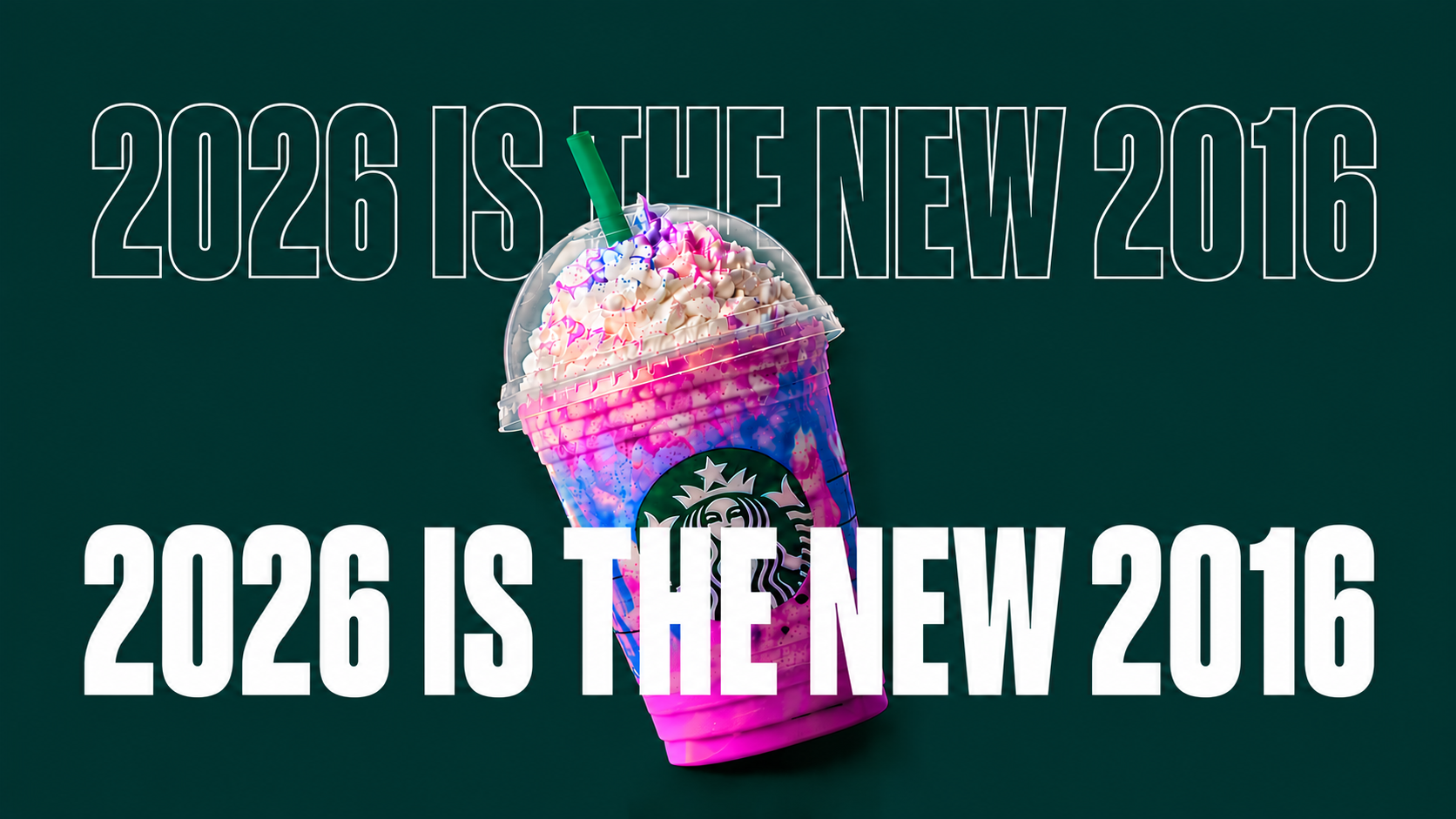
You walk into a store or scroll through social media and something hits you — a colour, a shape, a detail that sparks a memory. Maybe it’s the toy you couldn’t stop playing with as a kid, the snack that always lined your lunchbox, or a logo that feels like part of your childhood. In 2026, brands are realising that these flashes of recognition can create engagement faster than novelty ever could. When audiences instantly recognise a reference, they don’t need to learn or discover anything new — they already know, and that familiarity becomes the bridge to connection.
Nostalgia has evolved from a playful nod to the past into a strategic lever for engagement. Retro toys, throwback packaging, and vintage visuals give audiences something they emotionally understand from the first glance. Instead of building the connection from scratch, brands are tapping into one that already exists — and it works across demographics, products, and platforms.
Memory Meets Marketing: The Power of Instant Recognition
Recognition beats novelty in a fast-scrolling world. Classic logos, vintage-inspired designs, and nods to past decades evoke immediate associations, triggering emotion before explanation. Visual cues simplify comprehension, allowing brands to capture attention without asking audiences to invest extra effort. Nostalgia, when paired with contemporary relevance, transforms memories into engagement, curiosity, and even purchase intent.
Pocket-Sized Throwbacks, Big Emotional Wins: Essence x Polly Pocket
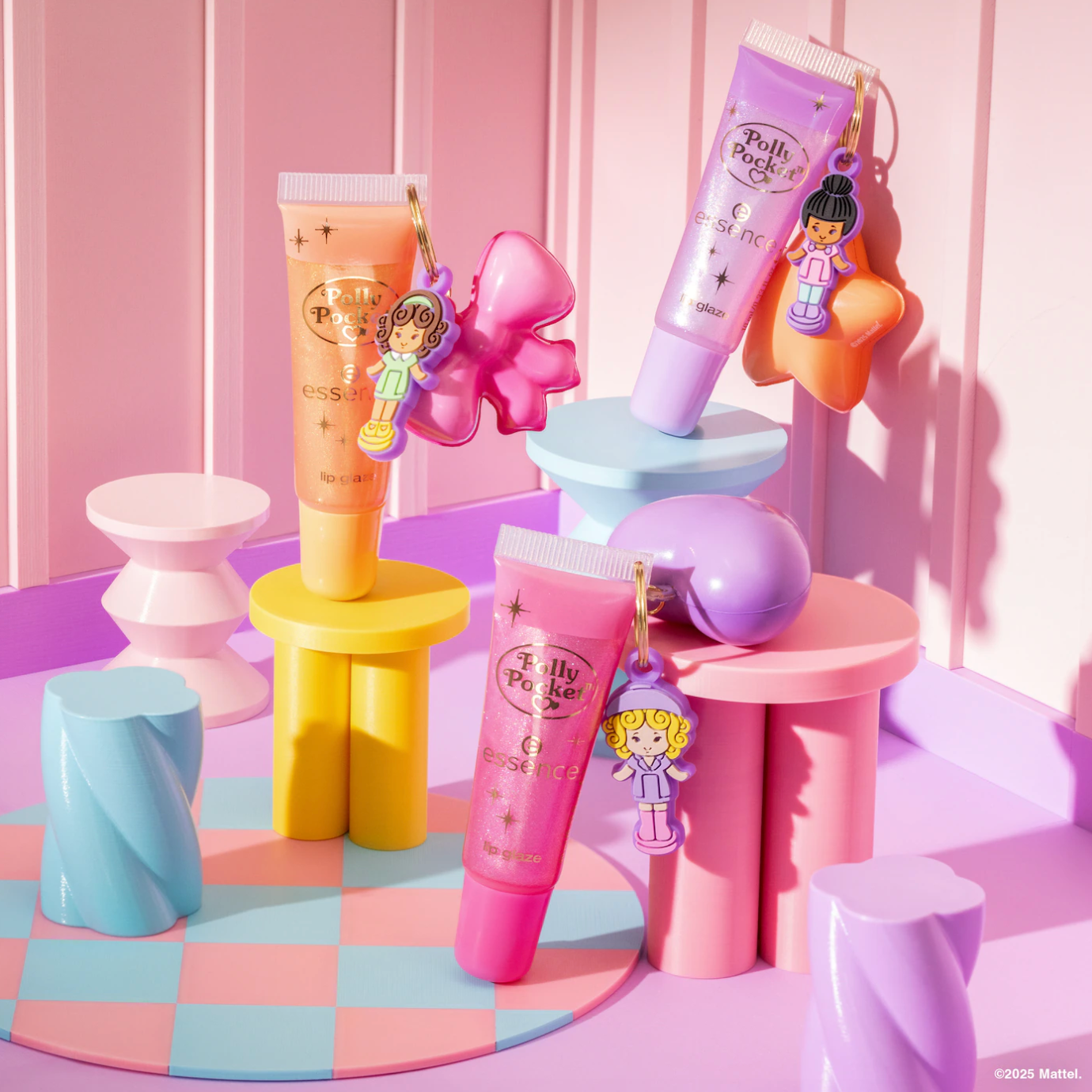
The Essence x Polly Pocket collaboration shows how childhood memories can become modern engagement drivers. Targeting grown-up 90s kids with disposable income, the collection features pop-up eyeshadow palettes, lip masks shaped like hinged cases, and candy-inspired textures.
Every detail triggers reminiscence while keeping products playful and aspirational.
What makes the campaign clever is its balance of Y2K aesthetics with current beauty trends. Jelly textures, colour-changing blushes, and glossy keychains feel contemporary while evoking nostalgia.
The collection demonstrates that nostalgia alone isn’t enough — emotions must be translated into experiences and formats audiences actually want to interact with.
Tiny Toys, Huge Connections: McDonald’s Malaysia
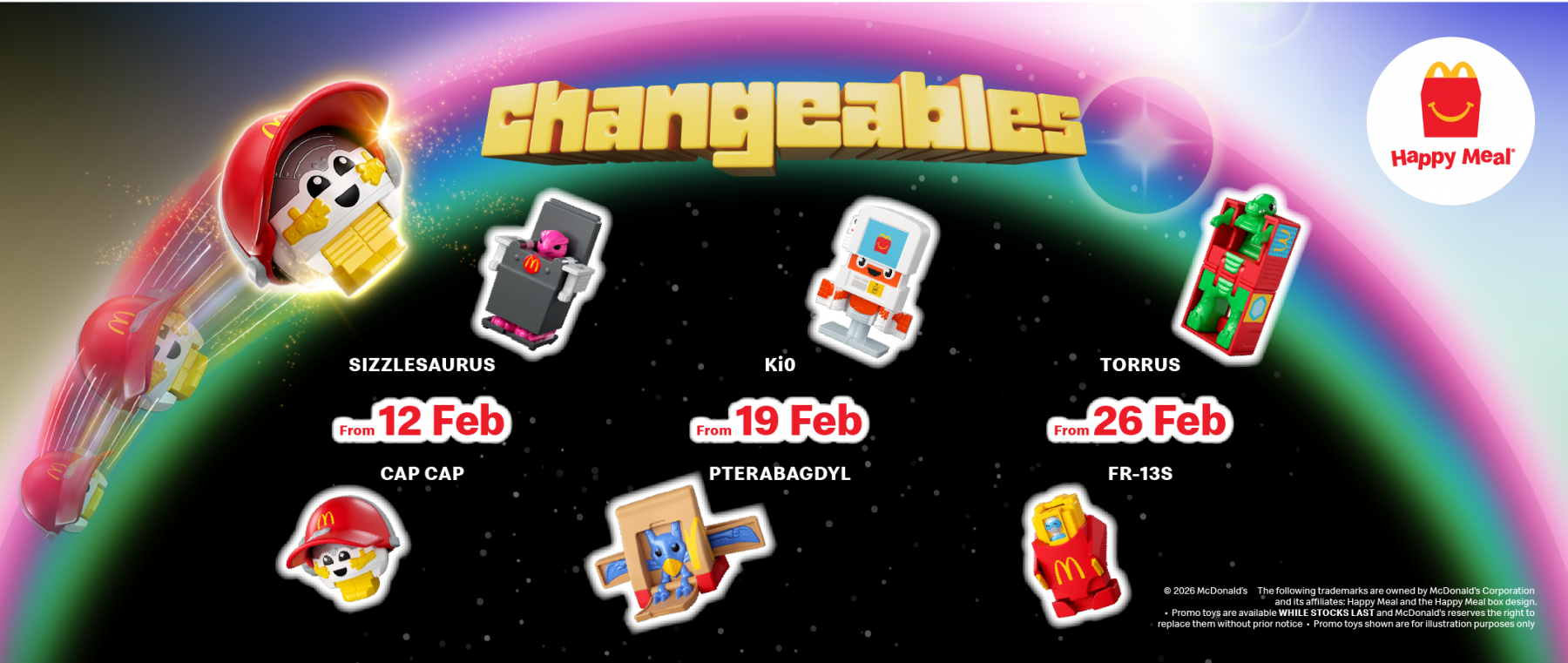
McDonald’s Malaysia demonstrates that nostalgia doesn’t require innovation. In February 2026, the brand reintroduced old-school Happy Meal toys, tapping into shared childhood memories. Consumers aren’t seeking the functionality of plastic figurines — they are reconnecting with past experiences, family rituals, and the little joys of growing up..
Across industries, this principle appears in retro packaging, discontinued flavours, and throwback menu items. Familiarity shortcuts the emotional bridge, allowing brands to engage audiences effortlessly. Recognition and sentimentality do the work, building connection before a single word of marketing is spoken.
Green Pack, Bigger Feelings: MILO SG60
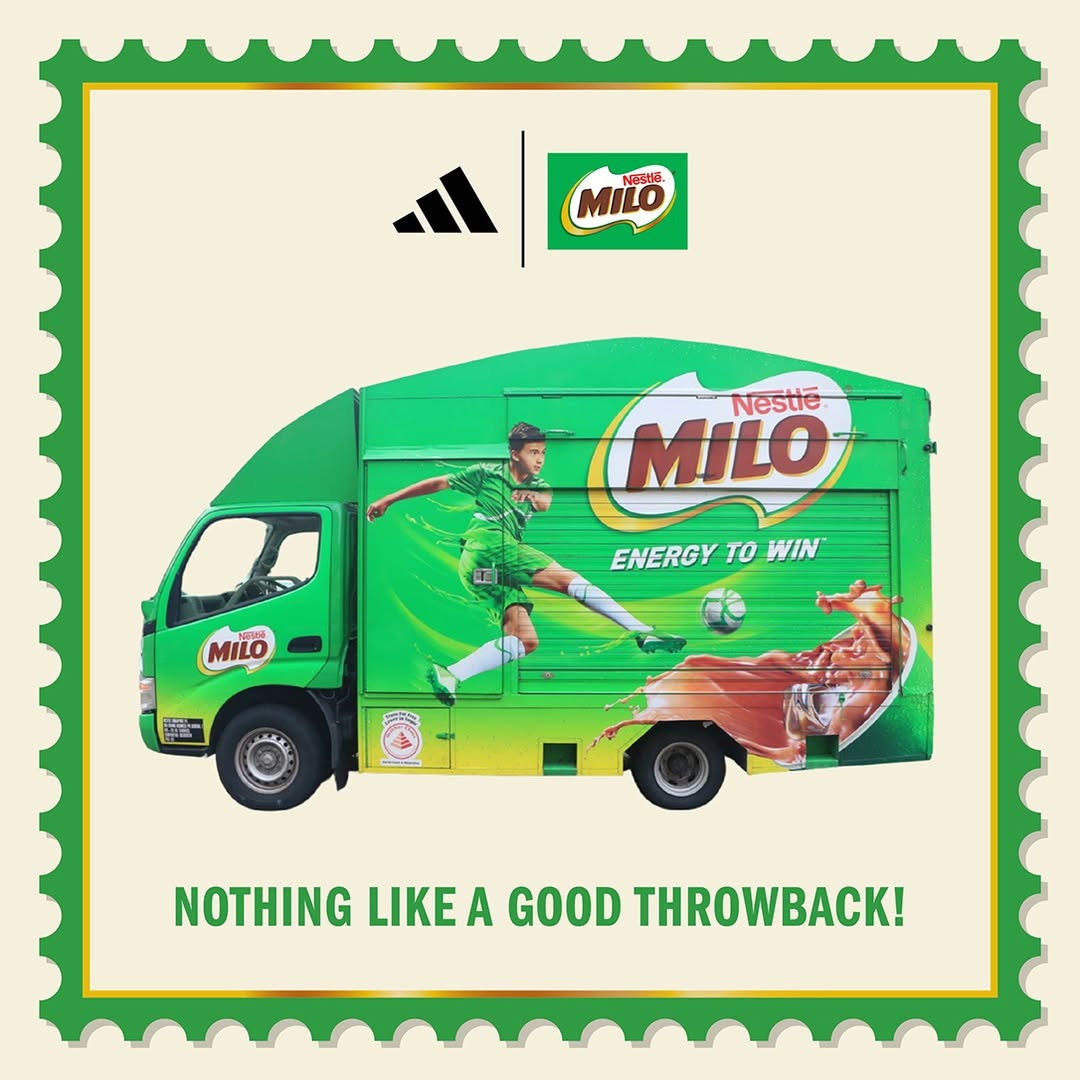
MILO’s SG60 campaign for Singapore’s 60th National Day layers nostalgia with creativity. The brand split its campaign into multiple activations: the returning MILO van, a Mister Doughnut collaboration, and a limited adidas streetwear drop. Rather than feeling like a traditional National Day campaign, it was a living mood board for people who grew up with the green MILO packet at home.
The MILO van generated warm emotional reactions despite lower engagement metrics. Why? Because it tapped into collective memory. For many, it evoked school sports days, family breakfasts, and childhood routines. MILO demonstrates that nostalgia goes beyond products — it evokes the feeling of moments and memories, making campaigns feel personal, authentic, and deeply resonant.
Familiarity is the New Competitive Advantage
Audiences crave cues they instantly recognise.
In an overstimulated world, tried-and-true references offer relief from constant adaptation.
Nostalgia marketing is no longer a novelty; it is a strategy for creating emotional connection, relevance, and memorability. When brands combine familiar visual cues with contemporary design, recognition triggers engagement naturally.
The success of Essence x Polly Pocket, McDonald’s, and MILO shows that consumers respond more to emotional shortcuts than novelty alone. Pre-existing memory accelerates attention, connection, and action, creating resonance that purely new ideas often struggle to achieve.
Takeaway: Nostalgia as Strategy, Not Gimmick
Emotional shortcuts work because they are familiar, not because they are easier. Essence x Polly Pocket, McDonald’s Malaysia, and MILO SG60 demonstrate that pre-existing memories, when executed thoughtfully, drive engagement, loyalty, and cultural relevance. Familiarity is no longer a fallback — it’s a strategic advantage in crowded, fast-moving markets.
At Superminted, we help brands translate cultural insight, nostalgia, and consumer behaviour into campaigns people remember. From strategy to creative execution, we build work that connects naturally, resonates emotionally, and feels effortless. If your brand wants to create campaigns that audiences instantly recognise and engage with, it’s time to start the conversation.



Subscribe to get notified when new downloadables drop. Straight to your inbox.
Take it one step further. Book a free consultation with us and let’s talk strategy.
.svg)


