


_logo%201.svg)


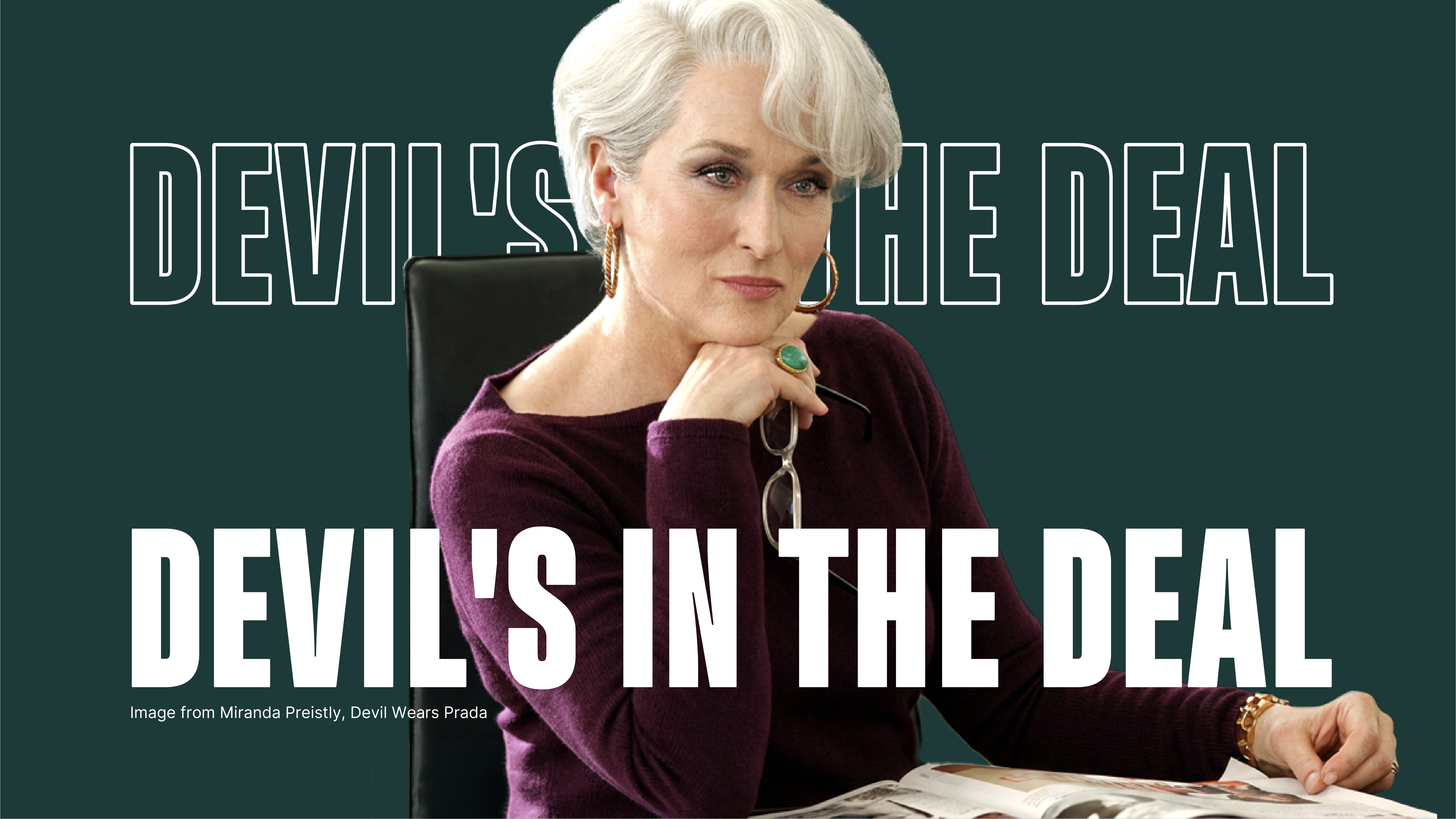
Miranda Priestly does not do favours. She does not return calls. She certainly does not explain herself.
And yet, over a dozen brands spent the past two years auditioning for her world. That alone tells you something.
The Devil Wears Prada 2 arrived on May 1 with a marketing strategy that was anything but accidental. Disney's EVP of Marketing Partnerships, Lylle Breier, had been hustling since the film was greenlit to hand-pick brands worthy of the Runway universe – no opportunistic logo drops and no last-minute deals. The goal, in Breier's own words, was to create "the best marketing partnership program that's ever been launched." That's a big claim. But when you look at what some brands actually built, it's hard to argue.
Here are four that understood the assignment:
Diet Coke: A Bag, Not a Banner
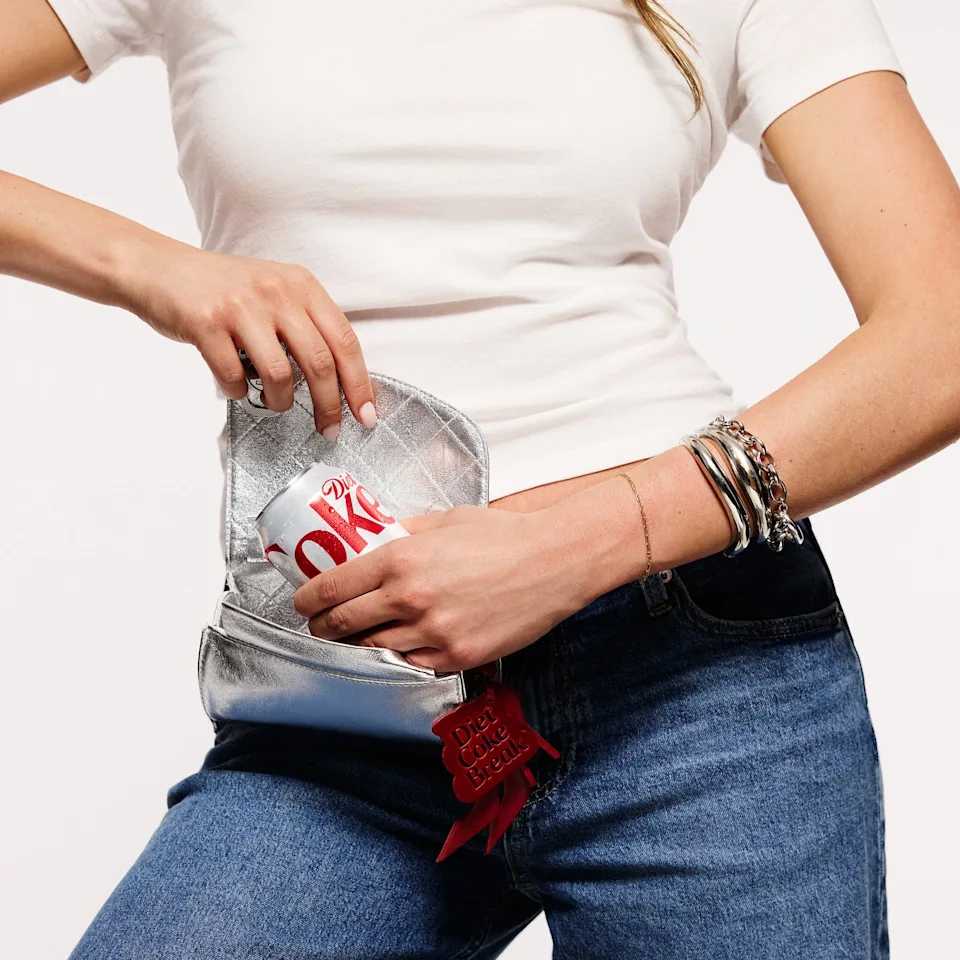
Most brand tie-ins stop at a limited-edition can. Diet Coke went further and made an object of desire.
The brand created the Canny Pack – a slim silver leather clutch designed specifically to hold a single can of soda – and credited its creation to James Holt, the fictional fashion designer from the original film played by Daniel Sunjata. The bag was distributed through an influencer, displayed being handcrafted live in the window of Saks Fifth Avenue on opening day, and never once put on general sale.
That last detail is the point. Scarcity is the oldest trick in the fashion playbook, and Diet Coke borrowed it fluently. As Stacy Jackson, VP of marketing for Coca-Cola Trademark, told Variety, the brand was "so intentional about making this so real and earned and not engineered." The campaign understood that the film's world runs on desire and exclusivity – and showed up accordingly. For marketers, it's a reminder that the most memorable activations often aren't the biggest. They're the most considered.
Smartwater: Playing the Long Game with Cerulean
If you've seen the first film, you know the cerulean monologue. Miranda's takedown of a lumpy blue sweater – tracing it back through a chain of design decisions the wearer never saw – is essentially a masterclass in how culture works. It also gave Smartwater the best brief a brand could ask for.
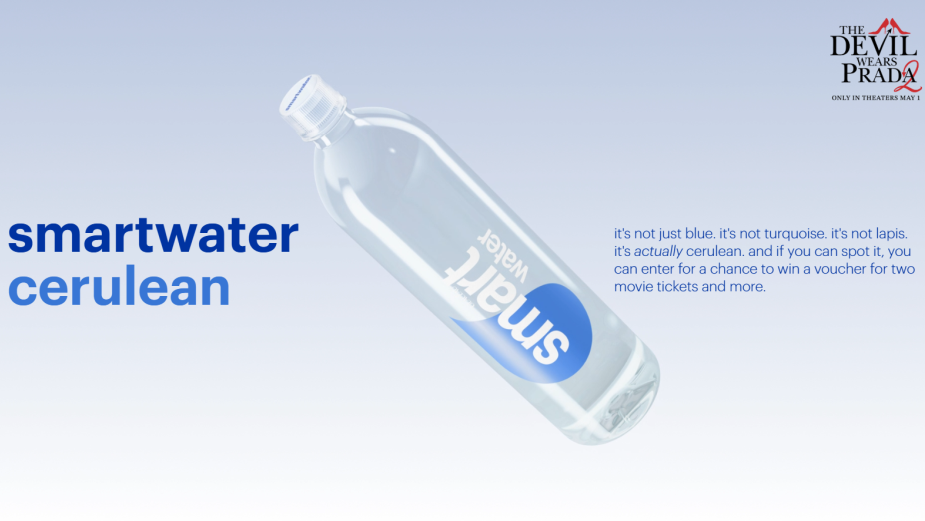
Smartwater's existing brand colour is blue. Its entire positioning is built on premium discernment. So rather than force a fit, the brand leaned into the subtext. It launched a digital game challenging consumers to identify the exact shade of cerulean among dozens of blues, with a replica of the sweater as the prize, then hid special-edition bottles with QR codes linking to the game at select Target locations. URL to IRL, neatly executed.
Luke Perkins, Group Director of Creative Strategy at Coca-Cola, put it plainly: the campaign was built to honour "the legacy of that moment by celebrating discernment and the confidence that comes from noticing the details". The insight here is delicious: Smartwater didn't just reference the film. It lived inside its argument. The cerulean monologue is about taste being invisible until someone points it out. Smartwater pointed at itself.
L'Oréal: Building a Pocket Universe
Not every brand had the luxury of appearing in the film itself. L'Oréal Paris didn't let that stop them. Working with agency Maximum Effort, they debuted a standalone short film set inside the Runway offices during the 98th Academy Awards. No trailer clips recycled into an ad, no logo slapped on existing footage. Instead, Kendall Jenner and Bridgerton's Simone Ashley, who actually appears in the sequel as her character Amari, play out a case of mistaken identity backstage at a fashion shoot, with L'Oréal products as the incidental backdrop.
The approach captures something the best entertainment-brand collaborations do well: they extend the world rather than interrupt it. L'Oréal Paris Brand President Laura Branik described the logic directly: the partnership allowed the brand "to show up in a moment that defines beauty and pop culture, and at a scale that matches the legacy of the film." The result felt like bonus content, not advertising. That's the detail that matters.
Samsung x Google: Tech on the Front Row
The most unexpected guests at this particular fashion party were the ones with the most to prove. Samsung and Google don't naturally belong in the world of Runway magazine – and that friction was, actually, the opportunity.
Samsung used the film's world premiere at Lincoln Center to launch its Galaxy S26 Ultra as the official red-carpet camera, capturing celebrity looks and showcasing the phone's cinematic capabilities in a setting where the photography had always been done by professionals. Meanwhile, Google built "The Runway Closet", an interactive experience where premiere guests could try on looks virtually using its Try On feature – fashion technology, demonstrated in fashion's most-watched moment of the year.
Samsung CMO Keena Grigsby framed the ambition clearly: "We're not just showing up in culture – we're shaping how people discover and engage with the world around them." Both brands took the same insight: the best way to prove a product works is to use it somewhere it genuinely matters. Not a demo. Not a comparison chart. A front-row seat at something people are already paying attention to.
What It All Means
Breier described the partnership strategy to CNN as a fashion collection – every piece different, but designed to go together. What they're actually describing is brand curation applied to marketing at scale. No two activations look the same. Each one reflects the franchise's world while staying true to what the brand already stands for.
That's the shift. In a media landscape where attention is genuinely scarce and consumers are increasingly allergic to obvious promotion, the brands winning with tentpole IP aren't the ones who paid for visibility. They're the ones who earned relevance. Miranda would, begrudgingly, approve.



Subscribe to get notified when new downloadables drop. Straight to your inbox.
Take it one step further. Book a free consultation with us and let’s talk strategy.
.svg)


