


When Anger Sells: The Rise of Rage Bait Marketing
Mad, Bad and Branded
At some point, marketing stopped trying to make everyone like the brand.
Now, some brands seem perfectly happy if half the internet hates them, as long as the other half is talking about them.
That is the logic behind rage bait marketing: content designed to provoke anger, offence or frustration because outrage travels. Oxford named “rage bait” its 2025 Word of the Year, defining it as content deliberately engineered to trigger anger in order to drive traffic or engagement.
And brands have noticed.
The Sydney Sweeney Effect
American Eagle’s 2025 “Sydney Sweeney Has Great Jeans” campaign is a useful example of how controversy can become distribution.

The campaign played on “jeans” and “genes”, with Sweeney discussing inherited traits such as hair and eye colour before landing on the denim pun. Online, that quickly became a much bigger conversation about beauty standards, race, eugenics and politics. American Eagle maintained that the campaign was simply about jeans, so calling every bit of the backlash intentional would be a stretch.
But intentional or not, the discourse became part of the reach. The campaign generated thousands of media stories, while American Eagle later reported “unprecedented” new customer acquisition following its major celebrity campaigns.
Then came Sweeney’s 2026 campaign for sports prediction platform Novig. “Just Sports” featured her posing with strategically placed sporting equipment and was criticised by female athletes for sexualising women in sport. Instead of retreating, Sweeney returned with another provocative ad after the backlash.
At that point, the controversy was no longer just happening around the campaign. It was helping power it.
When the Backlash Is the Media Plan
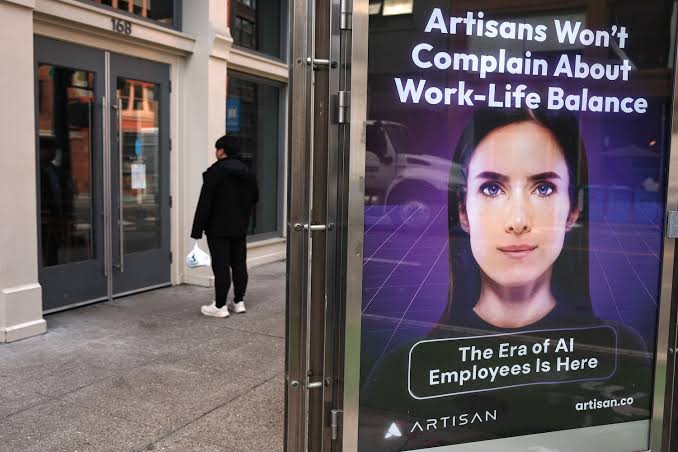
Some brands are even less subtle. AI start-up Artisan plastered San Francisco with “Stop Hiring Humans” billboards, deliberately poking at fears around AI replacing jobs. Its CEO later acknowledged that the idea was designed to incite backlash. The team even anonymously criticised its own campaign online to get the conversation moving.
Friend, an AI companion wearable, took over New York’s subway with lines like “I’ll never bail on our dinner plans”. The founder said he expected people to deface the ads and intentionally left white space for graffiti. Angry commuters effectively became unpaid art directors, turning the backlash into another layer of the campaign.
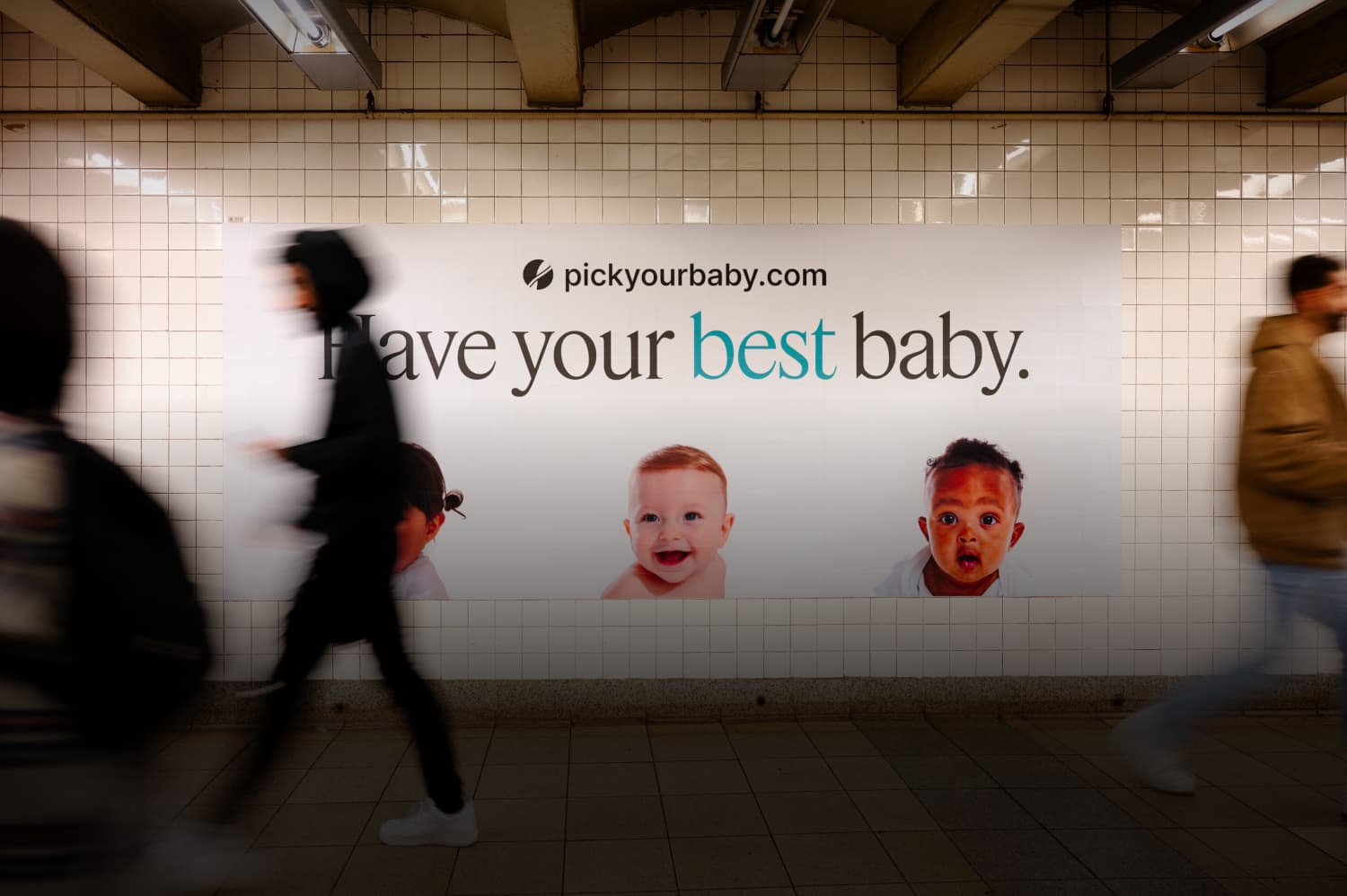
Then there is Nucleus Genomics. Its subway ads included lines such as “IQ is 50% genetic”, “Have your best baby” and “These babies have great genes”. The company said the work was inspired by the Sydney Sweeney controversy.
Subtle, it is not.
Why Rage Travels
The uncomfortable answer is that anger is useful to algorithms.
People do not only share things they love. They share things because they cannot believe a brand actually said that. They screenshot it. Send it to friends with “????”. Argue in the comments. Make reaction videos. Write think pieces about it.
Every angry response gives the original campaign another chance to travel. Oxford Languages points to this exact cycle, where outrage creates engagement and algorithms amplify it further.
Traditional advertising pays for attention. Rage bait can persuade the audience to distribute the ad themselves.
Attention Is Not Affection
Here is the catch.
Going viral because people hate your campaign proves that you captured attention. It does not automatically prove that you built a stronger brand. Controversy works better when the provocation connects to something strategically relevant. Artisan exaggerated the very fear its AI product was built around. Friend attacked the idea of human friendship while selling an artificial one. The provocation was connected to the product, not randomly pasted on for engagement.
When brands provoke purely for reach, the trick gets old quickly. If the only thing people remember is the outrage, the brand becomes famous for the conversation instead of the product.
That is not brand building. That is borrowing attention at a very high interest rate.
So, Should Brands Get Angry?
Probably not.
But they should pay attention. Rage bait is exposing something marketers have always known: bland gets ignored. Strong brands have opinions, rough edges and a clear sense of what they are willing to say.
The goal should not be to make people angry for the sake of an engagement spike. It should be to make work unique enough that people feel something.
Provocation gets attention. Distinctiveness builds brands. As an award-winning branding agency, we help you find the difference between the two. So if you are going to start a fight, at least make sure people remember who started it.



you may also like
Subscribe to get notified when new downloadables drop. Straight to your inbox.
Take it one step further. Book a free consultation with us and let’s talk strategy.


