


_logo%201.svg)



Most brands are sitting on a goldmine of consumer intelligence and paying absolutely no attention to it. Not because it's hard to find. Because it lives in the comments, in the hacks, in the jokes people make about your store layout – and somewhere along the way, we collectively decided that wasn't "real" data.
Vaseline and IKEA decided otherwise. And the results are hard to argue with.
Two recent campaigns make the point better than any trend report could. One is a global skincare brand. The other is the most famous furniture giant in the world. They operate in completely different categories, speak to completely different audiences, and tackle completely different problems. But they made the exact same strategic move – and both nailed it.
The move: find what people are already doing, and make it official.
VASELINE DIDN'T INVENT ANYTHING. THAT WAS THE POINT.
Here's a number worth sitting with: over 3.5 million posts online are dedicated to Vaseline beauty hacks. Not Vaseline ads. Not Vaseline-sponsored content. Just regular people – in their bathrooms, on their blogs, on TikTok – figuring out new ways to use a 155-year-old petroleum jelly.
In 2008, a beauty creator named Jen Chae posted a brow-taming hack using Vaseline on her blog. Around the same time, YouTube pioneer Lauren Luke was showing her followers how to use it as a primer. Neither of them was briefed by Vaseline. Neither of them was paid. They were just creative people with a product they liked and an audience paying attention.
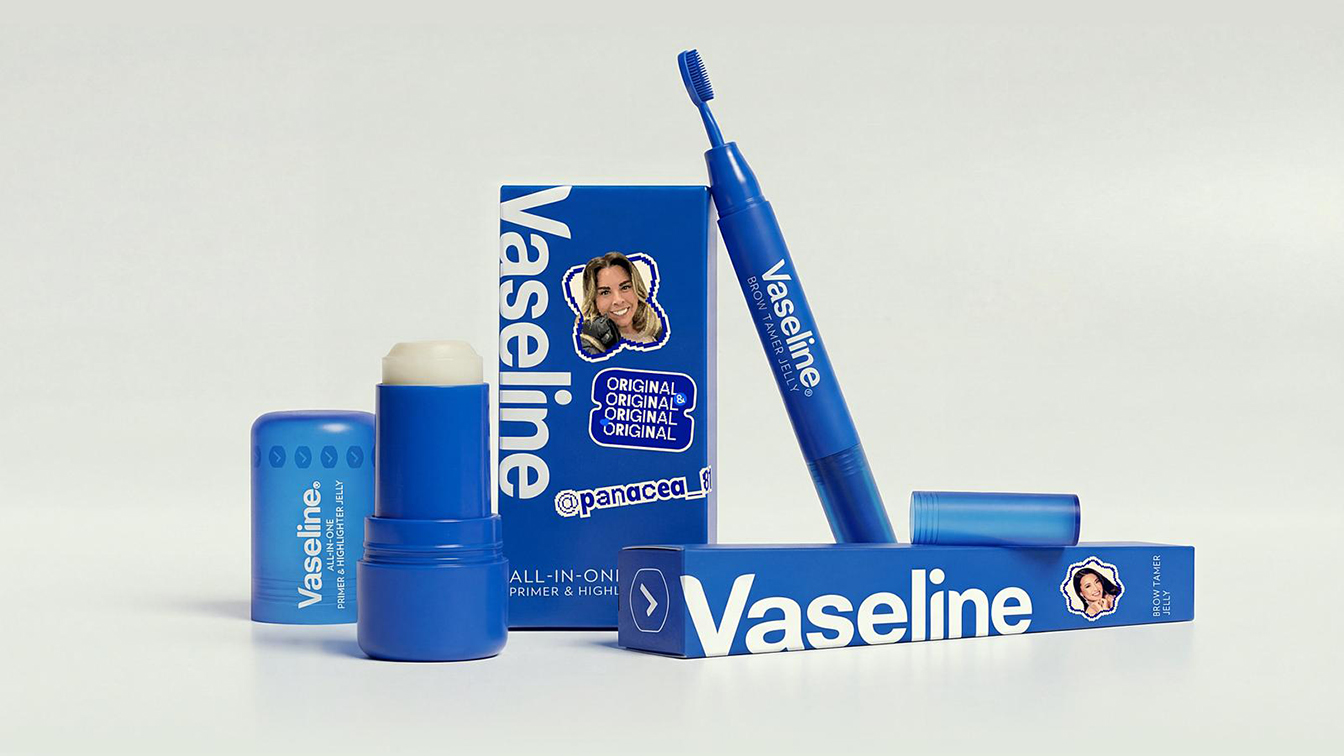
Fast forward nearly two decades, and Vaseline – working with Ogilvy Singapore – did something most brands still wouldn't have the confidence to do: they turned those community-invented hacks into actual, official, on-shelf products. The Vaseline Brow Tamer. The All-In-One Primer & Highlighter Jelly. Named for, and credited to, the creators who dreamed them up. Both sold out within minutes on TikTok Live.
The campaign is called Vaseline Originals – and the name is doing a lot of work. Because the OGs here aren't the brand. They're the community. The strategic shift is from validation to co-creation. From listening to the community to actually building with them. And the commercial signals – as Ogilvy Singapore's Asia MD put it – have been unambiguous.
IKEA DIDN'T FIX THE MAZE. THEY REFRAMED IT.
Meanwhile, in Saudi Arabia, IKEA was sitting on a different kind of unsolicited consumer insight.
The IKEA store layout is one of the most universally mocked retail experiences on earth. Everyone jokes about it. You go in for a lamp, you walk 4 kilometres through bedroom displays and meatball queues before you find the exit. It's a meme. It has been a meme for years.
Most brands, faced with a well-established public complaint, would either quietly try to address it or issue a statement. IKEA? Nope. Instead, they looked at what was actually happening in their market. Daily step counts in Saudi Arabia average just 3,807 steps a day, well below recommended levels. And then someone connected the dots: what if the maze isn't the problem? What if it's the product?
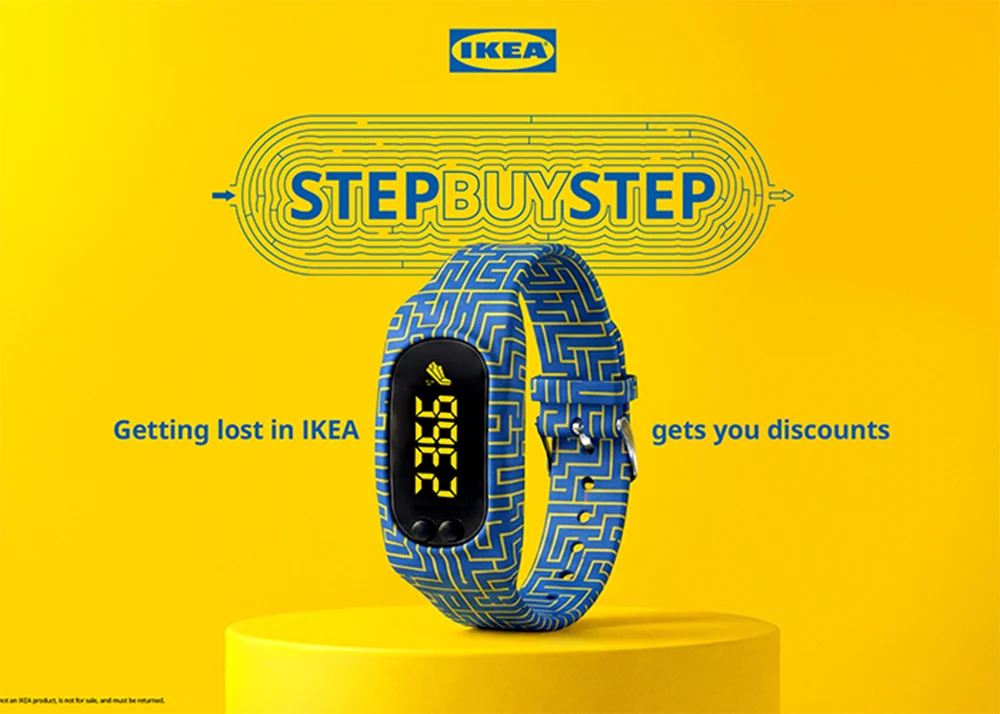
The result is "Step Buy Step" – an in-store wellness campaign that hands customers a step-counting bracelet at the entrance, tracks their steps through the showroom, and rewards anyone who hits 4,000 steps with a 10% discount at checkout. Every extra aisle, every accidental detour through the children's section – it all counts now.
The complaint didn't disappear. It became the mechanic.
THE HUMBLE PART IS THE HARD PART
This is not a new concept. Brands have always talked about "consumer insight". But there's a meaningful difference between insight you commission and insight you discover. The former tells you what people say when asked. The latter tells you what people do when no one's watching – or rather, when everyone is watching, just not you.
Here's the honest version of what these campaigns are showing us.
The traditional innovation funnel – identify gap, brief the agency, develop concept, test, launch – still has its place. But it increasingly runs the risk of producing things that are technically sound but culturally inert. Things that make sense on a slide deck but feel slightly off in the world.
Community-led strategy doesn't replace rigour. It redirects it. Instead of asking, 'What should we make?' You start by asking, 'What are people already doing?' The second question is harder to answer honestly, because it requires a degree of humility that doesn't always come naturally to brands. It means accepting that your customers are not waiting for your next product launch. They're already using what you've got in ways you didn't anticipate. And sometimes – often, actually – they're doing it better.
Vaseline's community had been running an unofficial innovation pipeline for years. IKEA's customers had been stress-testing the in-store experience and filing daily reports in the form of jokes. The data was there. It just wasn't being treated as data.
The question isn't whether your customers are generating insights about your brand. They are. The question is whether your organisation is set up to take those insights seriously – or whether they're getting filed under "social listening" and left to gather dust.
READ THE ROOM
Your customers have already written the brief. They've been writing it in comment sections, in Reddit threads, in TikTok tutorials, in the offhand way they describe your product to a friend. They've been telling you what they wish existed, what they figured out on their own, what they find funny, and what drives them mad.
We make it our business to occupy the rooms that matter – notebook open, ears to the ground, and an uncomfortable amount of enthusiasm for what your audience is already telling you.



Subscribe to get notified when new downloadables drop. Straight to your inbox.
Take it one step further. Book a free consultation with us and let’s talk strategy.
.svg)


