


_logo%201.svg)


Every May, brands lean into heartfelt storytelling. But when everyone has something meaningful to say about mums, it doesn’t take long before it all starts to sound a little familiar.
The messaging often circles familiar ideas of sacrifice, care, and support. Different logos, same sentiment. And while no one’s getting it wrong on paper, very few are getting it remembered.
That’s why phrases like “thank you for everything” can sometimes fade into the background. It’s earnest, of course, but frequent enough in Mother’s Day campaigns that it takes something a little more specific to stand out.
Some Win And Some Don’t
Not every campaign gets there. And when they don’t, it’s usually for the identical reason: they rely on assumptions instead of understanding.
When Aesthetics Beats Insight
Victoria’s Secret's 2026 Mother’s Day campaign sparked controversy and backlash over its visual direction and tone.
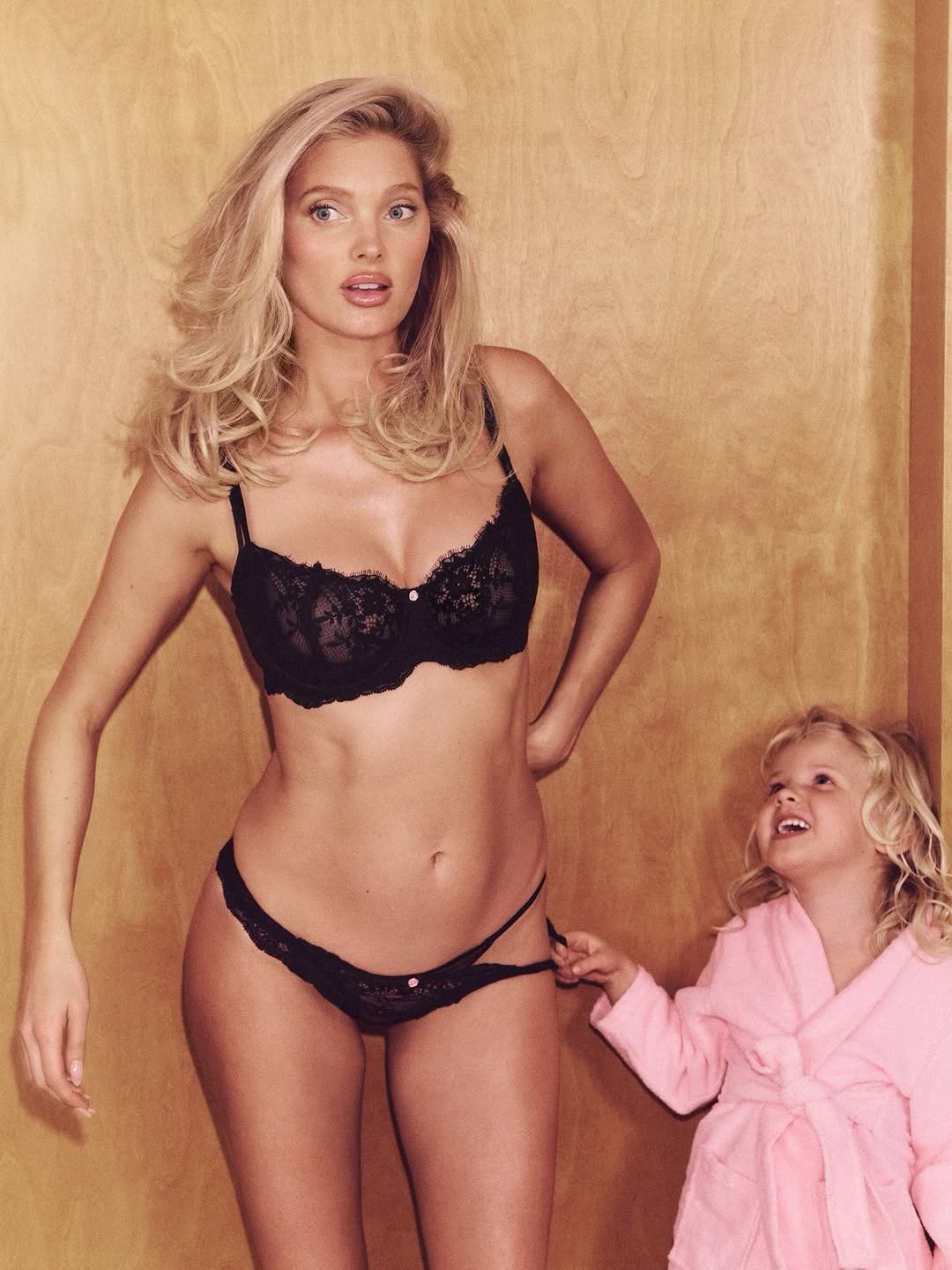
Leaning hard into stylised, hyper-curated femininity, the campaign seemed to forget it was advertising for Mother’s Day, not casting the next Victoria’s Secret catalogue. Instead of reflecting motherhood, it felt more like a perfectly lit lingerie fantasy.
More than that, the decision to feature models’ children alongside their mothers in racy lingerie left many audiences deeply uncomfortable, with some calling it outright “creepy”. What should have felt warm and celebratory ended up landing somewhere far stranger—and decidedly less genuine.
And once a campaign loses its emotional grounding, even the most elegant execution struggles to recapture it.
A Spin Cycle Of Old Ideas
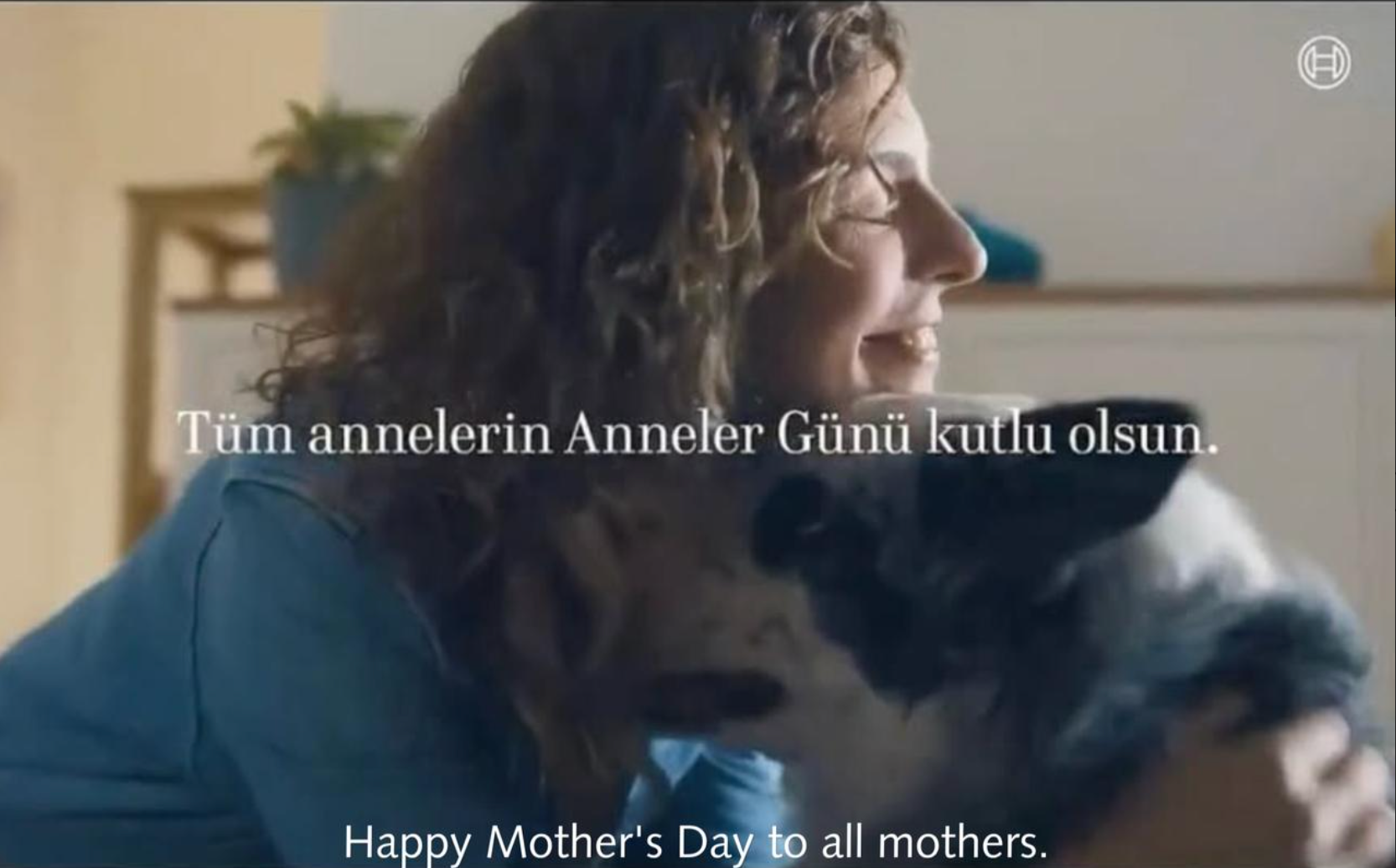
A prime example of a common misstep in Mother’s Day messaging, Bosch’s ad in Türkiye uses language that quietly reinforces outdated roles.
Centred around a washing machine, Bosch’s campaign was criticised for reducing motherhood to one very recurring job description: household labour manager, unpaid overtime included.
The messaging leaned heavily on making chores “easier for mum”, quietly reinforcing the idea that domestic work naturally belongs to her. Even if the intention was convenience or care, the framing did the opposite. It boxed motherhood neatly into laundry cycles and household upkeep with all the subtlety of a spin cycle on high.
The backlash wasn’t about audiences being overly sensitive to a slogan. It was about recognition. People pushed back on the fact that, somehow, “care” in 2026 still translates into “here is more household work”. And when that’s the emotional takeaway, the campaign stops feeling like a celebration and starts feeling like a rerun nobody asked for.
The Ones That Got It Right
The campaigns that catch on aren’t trying to out-emote everyone else. They just get specific.
Proof That Restraint Still Works
Eu Yan Sang Singapore Mother’s Day 2026 seasonal campaign is, on paper, everything you’d expect: cinematic storytelling, warm lighting, emotional cues dialled up. But the difference is in the restraint and the casting of brand ambassador Jeanette Aw, not as decoration but as an emotional anchor.
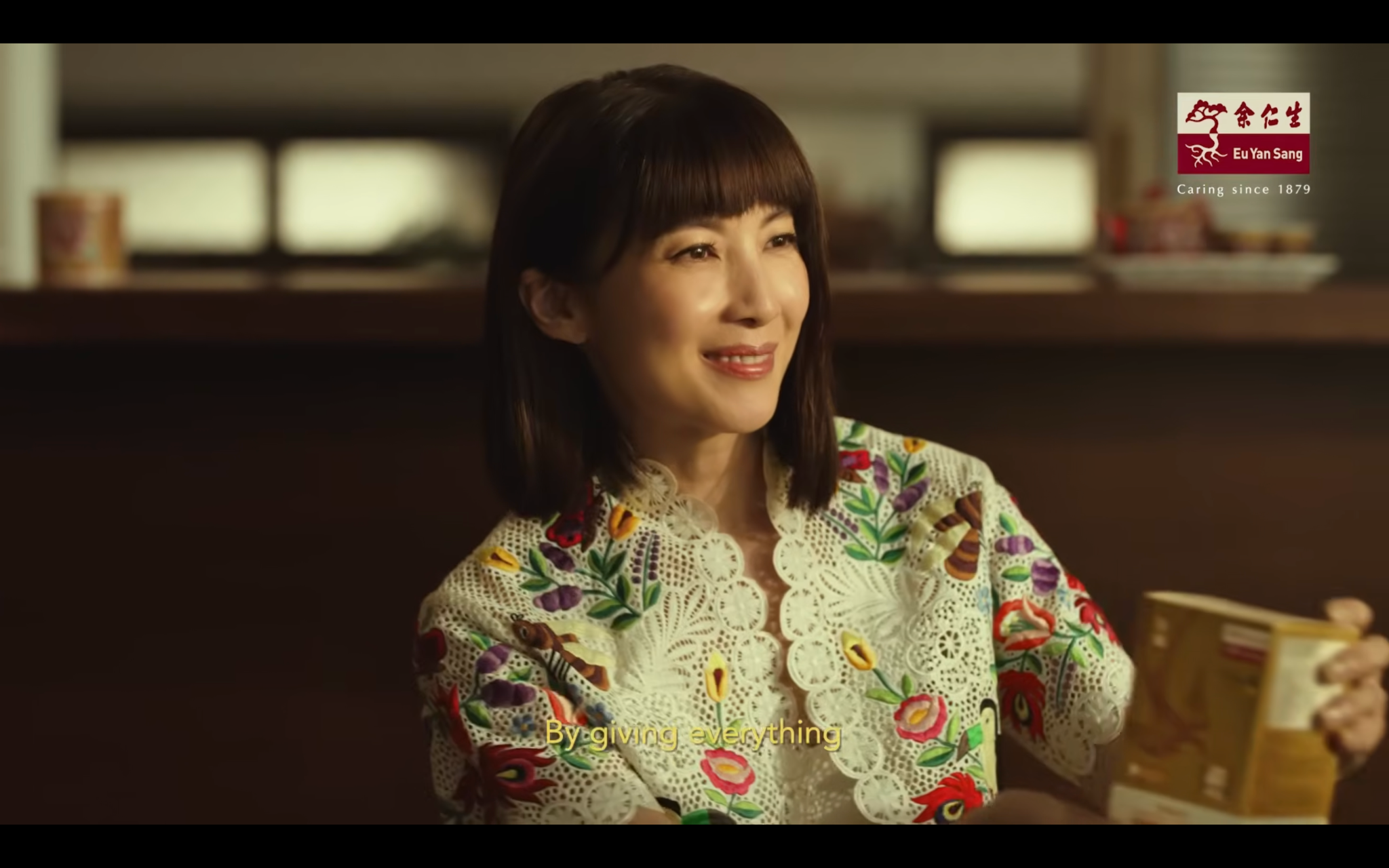
She isn’t positioned as a symbol of motherhood. She’s positioned as someone inside it. That switch matters. Instead of abstracting “mum” into a universal idea, it keeps things grounded in the quiet specificity of real relationships.
The result feels less like advertising and more like something you’ve accidentally walked into that is familiar, unforced, and oddly personal. And it’s exactly that sense of grounded realism that sets up a wider pattern: when brands stop trying to generalise motherhood, the work starts to feel noticeably more human.
Luxury, But With Actual Feeling
Over at Tiffany & Co., their Mother’s Day 2026 campaign is led by house ambassador Rosie Huntington-Whiteley and highlights the strength and beauty of motherhood.
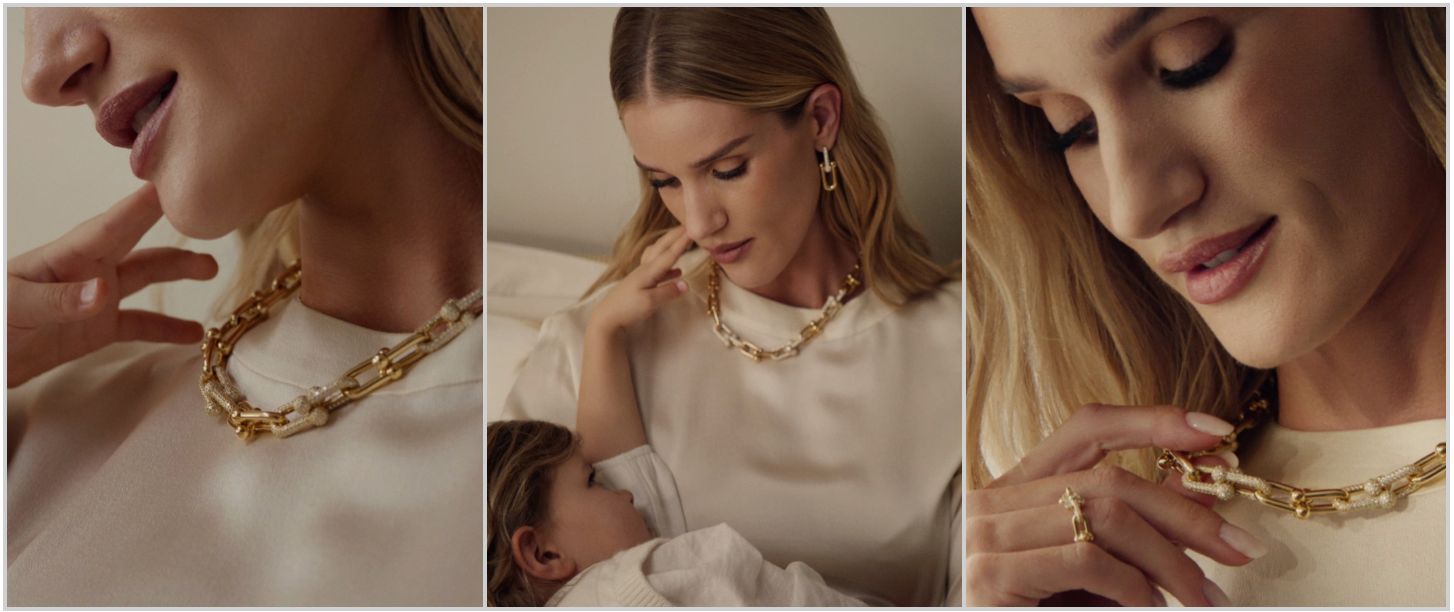
Though predictably glossy, the real shift happens in how it localises and steps out of its own world. Beyond the global campaign, it takes on a more intimate note in Tatler Singapore with Opera Tang and her grandmother. This is where it stops being about jewellery and starts being about inheritance.
It’s a subtle change, but it is an important one: luxury stops being just something to admire and starts feeling far more personal. The jewellery takes a step back while the relationship takes centre stage. Same brand, same sophistication—but suddenly, it feels less like a global campaign and more like a real moment between generations.
Once you see that idea of “lived-in narrative”, it becomes easier to recognise what happens when brands stretch it even further into everyday life.
Motherhood Is Cardio
Garmin, a wearable fitness technology brand, takes a concept usually reserved for athletes and quietly applies it somewhere far more recognisable: motherhood. With their Women of Endurance campaign, they reframe endurance not as something confined to sport but as something lived daily.
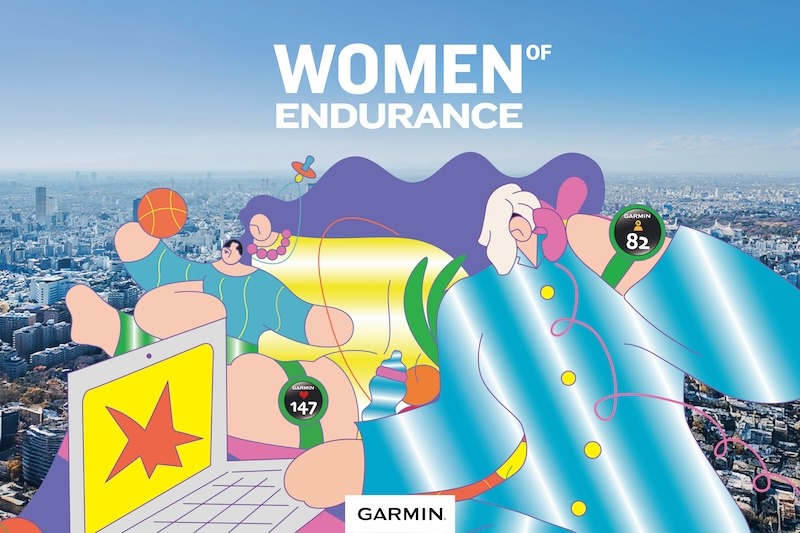
To bring that idea to life, the campaign uses illustration and health data insights to map everyday parenting tasks—carrying children, climbing stairs, and managing endless routines—against exertion levels usually associated with high-performance sports. Turns out, motherhood has been an endurance event all along. It just never came with a stopwatch or a sponsorship deal.
And that’s what makes the campaign click with audiences. No overblown declarations. No emotional overload. Just a clever reframing that quietly makes you rethink what “everyday” actually looks like.
The Bit Where It All Adds Up
Mother’s Day doesn’t necessarily need bigger campaigns or louder emotions.
More often than not, the campaigns that people remember aren’t always the most extravagant or emotional. They’re the ones that feel thoughtfully crafted and don’t just say the right thing—they say it in a way that feels specific, observant, and genuinely human.



Subscribe to get notified when new downloadables drop. Straight to your inbox.
Take it one step further. Book a free consultation with us and let’s talk strategy.
.svg)


